Blog
Most people never really think about how they breathe. You just do it, right? In, out, repeat – all day, every day. But when you start paying attention, you realise there’s a lot more to it than air moving in and out. Breathing shapes the way you think, how you handle stress, how fast you recover after exercise and even how you sleep.
That’s where Respiratory Muscle Training, or RMT, comes in. It’s not some high-tech fad or complicated practice. It’s simple, grounded in science and, surprisingly, pretty easy to fit into daily life. You don’t have to be an athlete or have a medical condition to benefit. Anyone can use it.
In Australia, more people are catching on to how powerful the breath really is not in a mystical sense, but in a practical one. The Breather has made this kind of training accessible for everyday people who want to feel more energised and balanced.
What RMT Actually Does
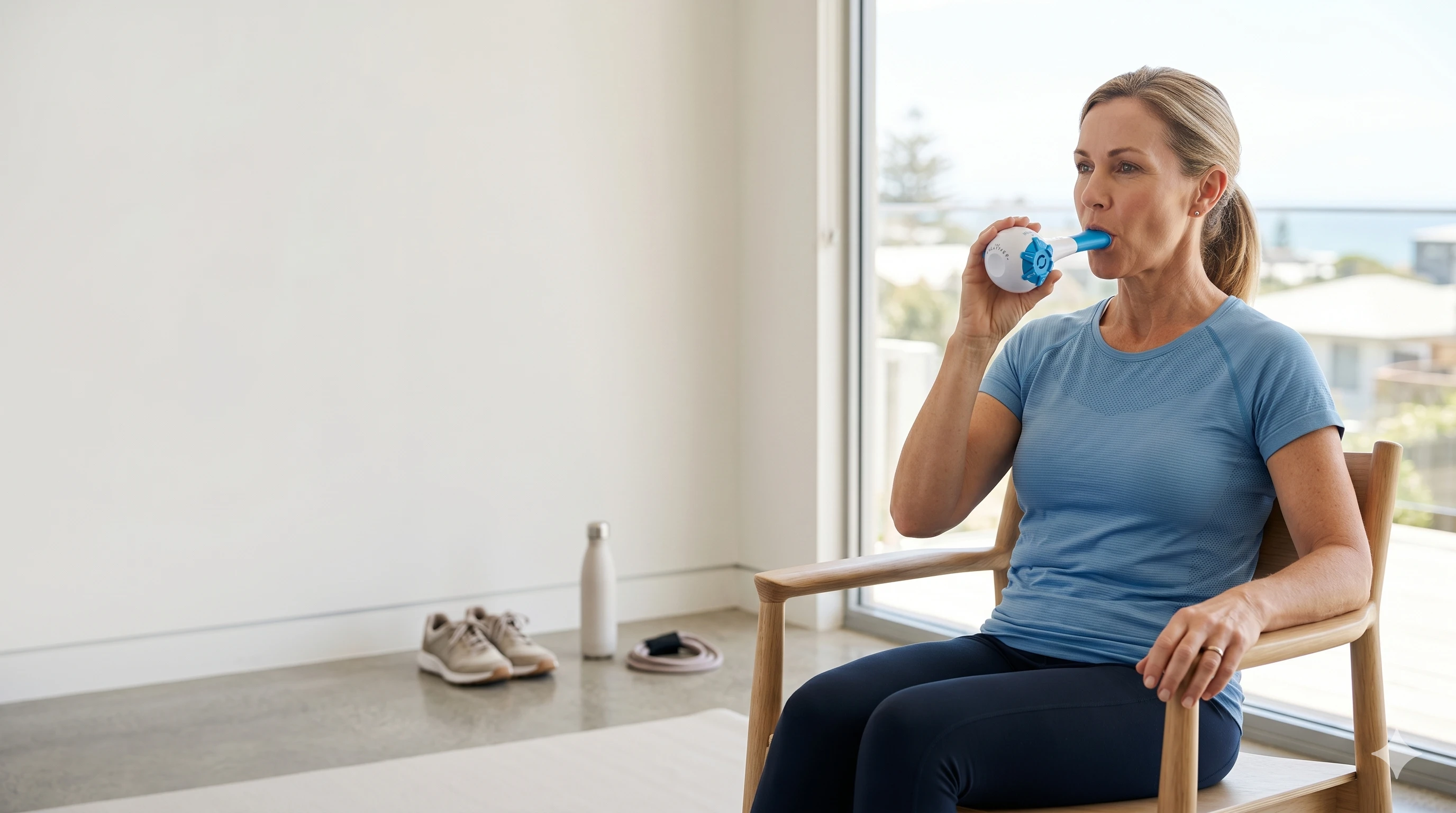
Here’s the idea. RMT is like strength training for your lungs. The device adds a small amount of resistance as you breathe in and out. Your diaphragm and the muscles between your ribs do the hard work, and over time they get stronger.
It sounds small, but those muscles affect everything: your stamina, your posture, your ability to stay calm. When they’re stronger, breathing feels easier. You take deeper breaths without thinking, your body uses oxygen more efficiently and you fatigue less.
Researchers here and overseas have been studying RMT for years. Results show improvements in lung capacity, recovery, endurance and stress management. Athletes use it to boost performance, while others use it simply to feel more centred during their day.
Why It Fits Into a Wellness Routine
In modern life, stress sneaks up fast. Tight deadlines, traffic, constant screens, all of it changes how we breathe. Most people start breathing shallowly without noticing. Shoulders rise, chest tightens, and that subtle tension never really switches off.
RMT helps undo that. It retrains your body to breathe fully again, which signals your nervous system to relax. It’s a physical way of telling your body, “you’re safe.” That’s one of the reasons people who practise RMT often report sleeping better and feeling calmer, even without making other big lifestyle changes.
Think of it like fine-tuning your system. Instead of letting stress pile up, you give your body a tool to reset, to catch its breath literally.
Making RMT Part of Everyday Life
The best thing about RMT is how easy it is to slot into daily routines. You don’t need a gym, a class, or a spare hour in your schedule. It’s portable, quiet and can be done almost anywhere.
Here are a few realistic ways to make it part of your day:
Start in the Morning
Before coffee or breakfast, take a few minutes with The Breather. Five minutes of focused breathing wakes you up better than scrolling your phone. It oxygenates the body, clears your head and sets a calmer tone for the day ahead.
Midday Reset
If you work at a desk, your posture and breathing both suffer. Try using your Breather during lunch or a quick stretch break. It helps counteract that “slouched and foggy” feeling. You’ll feel more alert afterwards.
Before or After a Workout
RMT works beautifully alongside exercise. Use it as a warm-up to activate your diaphragm, or after training to cool down and restore balance. Many athletes notice better endurance and smoother breathing after a few weeks.
Evening Wind-Down
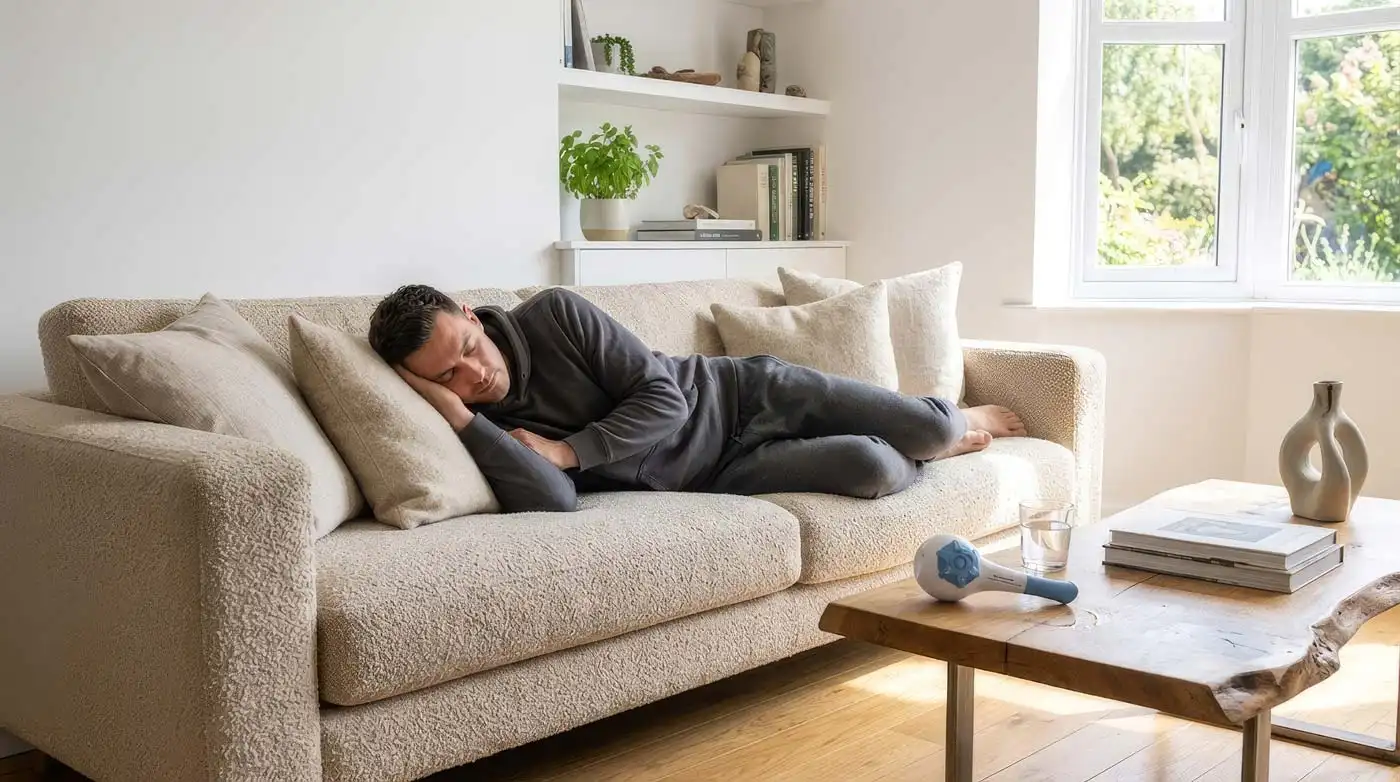
Breathing against resistance before bed can be deeply relaxing. It focuses your attention, slows your heart rate and signals your body to rest. Pair it with quiet music or gentle stretching for a good night’s sleep.
Why the Science Backs It
When you train your breathing muscles, your lungs become more efficient, and your brain gets more oxygen with less effort. That means clearer thinking and less fatigue.
Deep breathing also taps into the vagus nerve – the body’s natural “calm down” switch. Activating it through steady, resisted breathing can lower heart rate and blood pressure. It’s the same principle behind meditation and yoga breathing, just more targeted and measurable.
RMT adds resistance, which helps your body relearn how to breathe properly, using the diaphragm instead of just the upper chest. For many people, that single shift makes a world of difference in focus, posture and stress control.
The Australian Lifestyle Factor
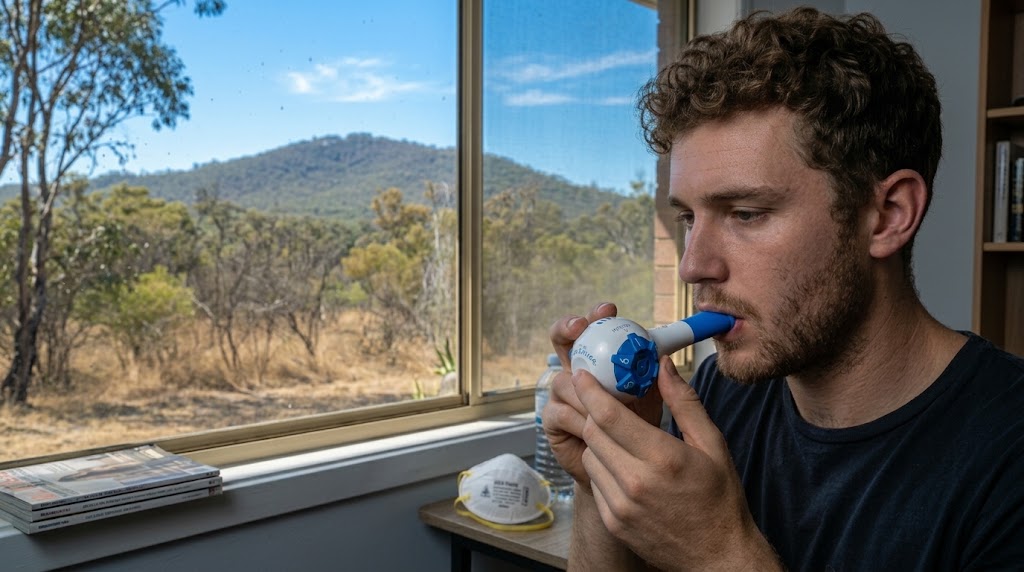
Living in Australia gives us an interesting mix of conditions. Hot, humid summers. Cold, dry winters in some areas. Dust, pollen, long commutes, air conditioning, all of it affects the way we breathe.
RMT helps keep the respiratory system adaptable. If you’re from Brisbane or Darwin, it can help you breathe more efficiently in humid air. If you’re in Melbourne or Adelaide, it can ease that tight, dry chest feeling during winter.
For active Australians who love outdoor exercise, it’s a quiet advantage, a way to handle heat, long runs or swimming without that breathless struggle. For those spending hours indoors in air-conditioned spaces, it keeps lungs active and healthy despite the stale air.
It’s also something you can do at home, at work or even in the car before heading out. There’s something very Australian about that kind of practicality.
How to Stick With It
The hardest part of any new routine is consistency. With RMT, it’s better to do a few minutes most days than a long session once a week.
Here’s what helps:
Keep your device where you’ll see it next to your toothbrush or coffee machine works well.
Link it with an existing habit, like your morning walk or evening tea.
- Track how you feel each week. Notice if climbing stairs feels easier or if you’re calmer during busy days.
After a while, you stop thinking of it as “training” and more like something you naturally do – the same way you stretch or drink water.
Pairing RMT with Other Wellness Habits
RMT works beautifully alongside other wellness practices. If you already do yoga, mindfulness or meditation, it can deepen your breath control and focus. If you’re into running or cycling, it improves performance and recovery.
Even for people who don’t “train,” it fits in easily. Imagine ending a stressful workday, sitting by the window, taking a few slow, steady breaths through The Breather, and actually feeling your shoulders drop. That’s what this practice gives you space.
A Practical Path to Feeling Better
In a world where everyone’s rushing, it’s refreshing to find a wellness habit that’s simple and real. No apps, no subscriptions, no complicated routines. Just you and your breath.
The Breather makes it easier to stay consistent. It’s small enough to keep in your bag, quiet enough to use anywhere, and designed for real-life use, whether that’s before a morning run, between Zoom meetings, or just before bed.
Start small. A few minutes a day is enough to notice the shift. You’ll breathe deeper, sleep better and find a surprising sense of calm showing up in other parts of your life.
Better breathing isn’t about perfection; it’s about presence. Once you feel the difference, you’ll wonder how something so simple makes you feel so much stronger.
Related Posts