Blog
Respiratory Muscle Training for Singers & Public Speakers
Whether you’re a professional singer, teacher, public speaker, or karaoke superstar, one thing is true: your voice is only as strong as your breath. That’s why respiratory muscle training for singers, teachers, and speakers is gaining serious traction — and devices like The Breather are leading the charge. In this post, we’ll explore how breath support and RMT can radically improve your vocal power, endurance, and confidence. We’ll look at the most common breath-related challenges vocal performers face, why traditional breathing exercises sometimes fall short, and how just five minutes a day with the right tool can give your voice a measurable edge.
In this guide, we break down the most common breath-related challenges singers and speakers face, explain why traditional breathing exercises may not be enough, and introduce The Breather, a simple but powerful device that strengthens your lungs using resistance. You’ll learn how it works, read real-world stories from Reddit users and professionals, and explore answers to the most frequently asked questions. Whether you’re recovering from illness, prepping for a performance, or just want to sound stronger and last longer, this could be the breath of fresh air your voice has been waiting for.
Jump to: Why Breath Matters, Challenges, What is the Breather, Real Stories, FAQs, or Shop Now
Why Breath Matters (More Than You Think)
Let’s start with an uncomfortable truth: no matter how well-trained your voice is, if your breath support is weak, your performance will suffer. It’s like having a Ferrari with no petrol. You might have the pipes, but you need the airflow to back them up.
For singers, breath is the engine behind power, pitch, and stamina. For speakers, it’s what helps you project with clarity and avoid sounding like you’re out of breath at the halfway mark. Whether you’re performing for a crowd or leading a meeting, strong respiratory muscles are the unsung heroes of a rock-solid voice.
Now, most of us think we know how to breathe properly. After all, we do it all day long. But optimising breath for vocal performance? That takes a bit more than just “inhale, exhale, repeat.”
The Breath-Based Struggles of Vocalists and Speakers
Here are some of the most common pain points our vocal heroes face:
- Running out of breath mid-phrase: Whether you're belting out a chorus or trying to finish a sentence without gasping, poor breath control ruins the moment.
- Vocal fatigue: That scratchy, worn-out voice after a big set or a long day of talking? Often a sign your breath support system is slacking.
- Anxiety and stage fright: Shallow breathing from nerves makes projection and control even harder.
- Post-illness voice loss or reduced stamina: Especially common after respiratory illnesses like COVID-19 or the flu. Your voice might be ready, but your lungs are lagging.
- Lack of vocal consistency: Breath control is key to keeping tone, pitch, and volume stable across performances.
- Lack of vocal consistency: Breath control is key to keeping tone, pitch, and volume stable across performances.
Motivation: Why Breath Training Changes the Vocal Game
Here are some of the most common pain points our vocal heroes face:
- More vocal power: A strong diaphragm creates better subglottic pressure, which leads to a richer, more resonant tone.
- Improved endurance: Performing without fading out after the first few verses or PowerPoint slides.
- Faster recovery: Getting your groove back faster after a cold or respiratory infection.
- Confidence on stage: Knowing your breath will carry you gives you one less thing to stress about.
Traditional Techniques vs. Modern Breathing Devices
Breathwork isn’t new. Vocal coaches have long used exercises like straw phonation, balloon blowing, or yoga-style deep breathing to train breath support. But there’s a problem: most of these don’t involve resistance. And resistance is where the magic happens.
That’s where modern tools like The Breather come in.

The Breather: A Respiratory Muscle Training Device for Singers, Teachers & Public Speakers
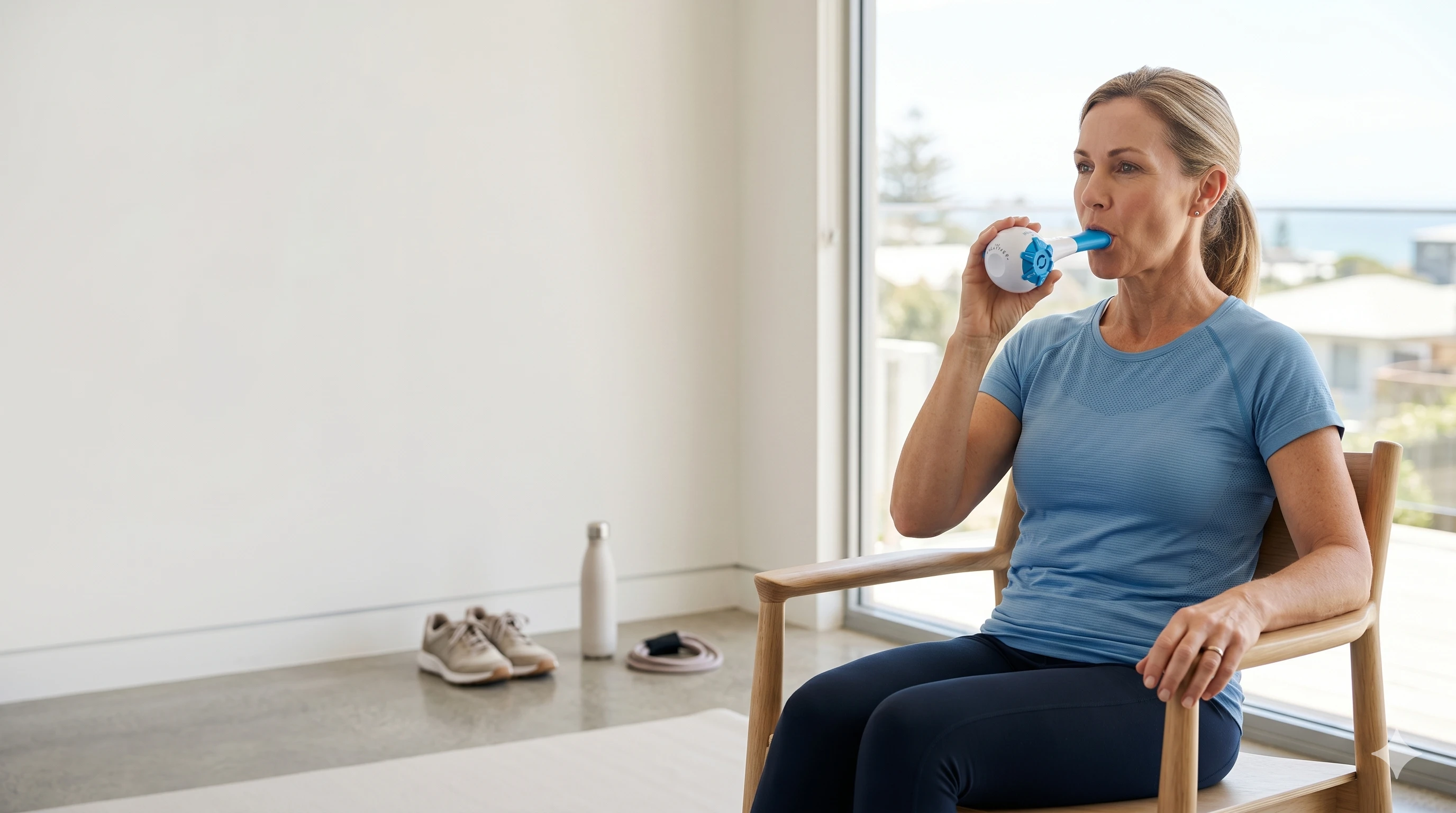
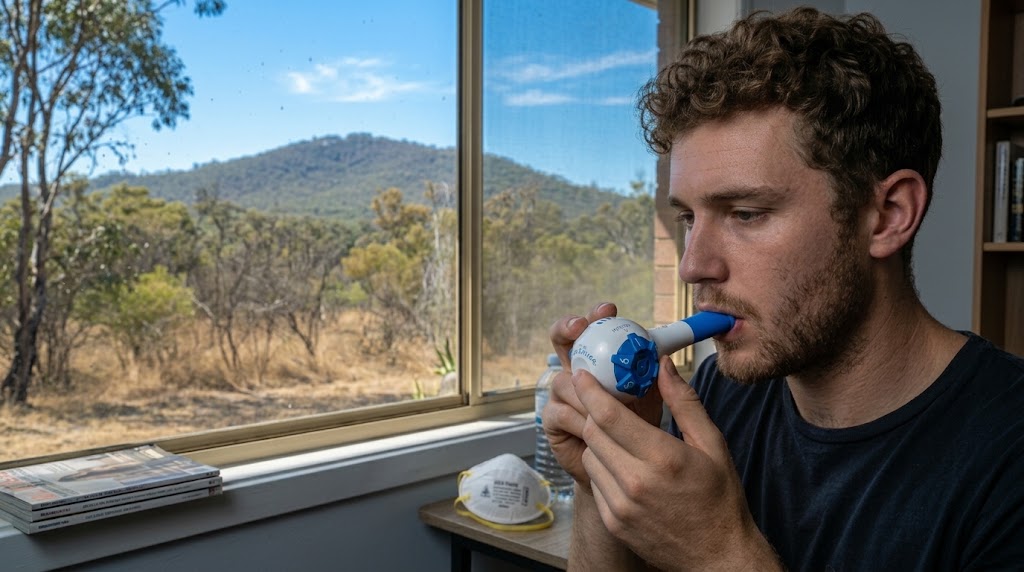
The Breather is a simple, handheld device that uses resistance training to strengthen the muscles involved in breathing. Think of it like dumbbells for your lungs. You breathe in and out through it while adjusting dials to control how hard your muscles have to work.
Just 5 to 10 minutes a day can:
- Improve diaphragm strength
- Increase lung capacity
- Improved swallowing safety
- Enhance breath control
- Reduce vocal fatigue
It’s portable, drug-free, and has been used by everyone from opera singers to fitness instructors and speech therapists. Oh, and it doesn’t require electricity or an app (but there is a companion app if you like tracking progress).
What the Research (and Reddit) Says
Real users are sharing compelling results online. For example, in the r/singing subreddit, a classical singer with over 15 years of experience shared that they began using The Breather post-COVID to rebuild stamina and were “genuinely surprised by the difference it made.” Another Reddit user, a speech-language pathologist (@VoiceNerd88), mentioned recommending The Breather to professional voice clients experiencing fatigue from lecturing and singing long hours, reporting noticeable improvements in just three weeks.
One of the most upvoted comments on a recent thread in r/vocalists (by user @operaoxygen) said: “Adding RMT was like unlocking a second gear in my breath support. I didn’t realise how much my lungs were coasting.”
Outside of anecdotal feedback, research backs these stories up. Clinical studies show that RMT improves vocal endurance, increases subglottic pressure, and expands lung volume – all critical to vocal performance. It’s been used in hospital rehab programs, professional vocal training, and even for wind musicians.
In short: it’s not hype. Real singers, speakers, and voice therapists are seeing real results.
Respiratory Muscle Training for Singers: FAQs Answered
Q: Do I need this if I already do breathing exercises?
A: Standard exercises are helpful, but The Breather adds resistance. That’s what makes the muscles adapt and get stronger, faster.
Q: How long until I see results?
A: Most users report improvements in 2–4 weeks with consistent use. That’s less time than it takes to binge a season of MasterChef.
Q: I’m a healthy singer. Will I still benefit?
A: Definitely. Even peak performers see gains. Think of it as cross-training for your lungs.
Ready to Strengthen Your Voice?
Your breath is your foundation. And The Breather is your toolkit. Whether you’re singing an aria, delivering a TED talk, or leading a classroom, stronger lungs mean better voice control, less fatigue, and more confidence.
Try The Breather today and feel the difference where it counts – in every breath.
Related Posts