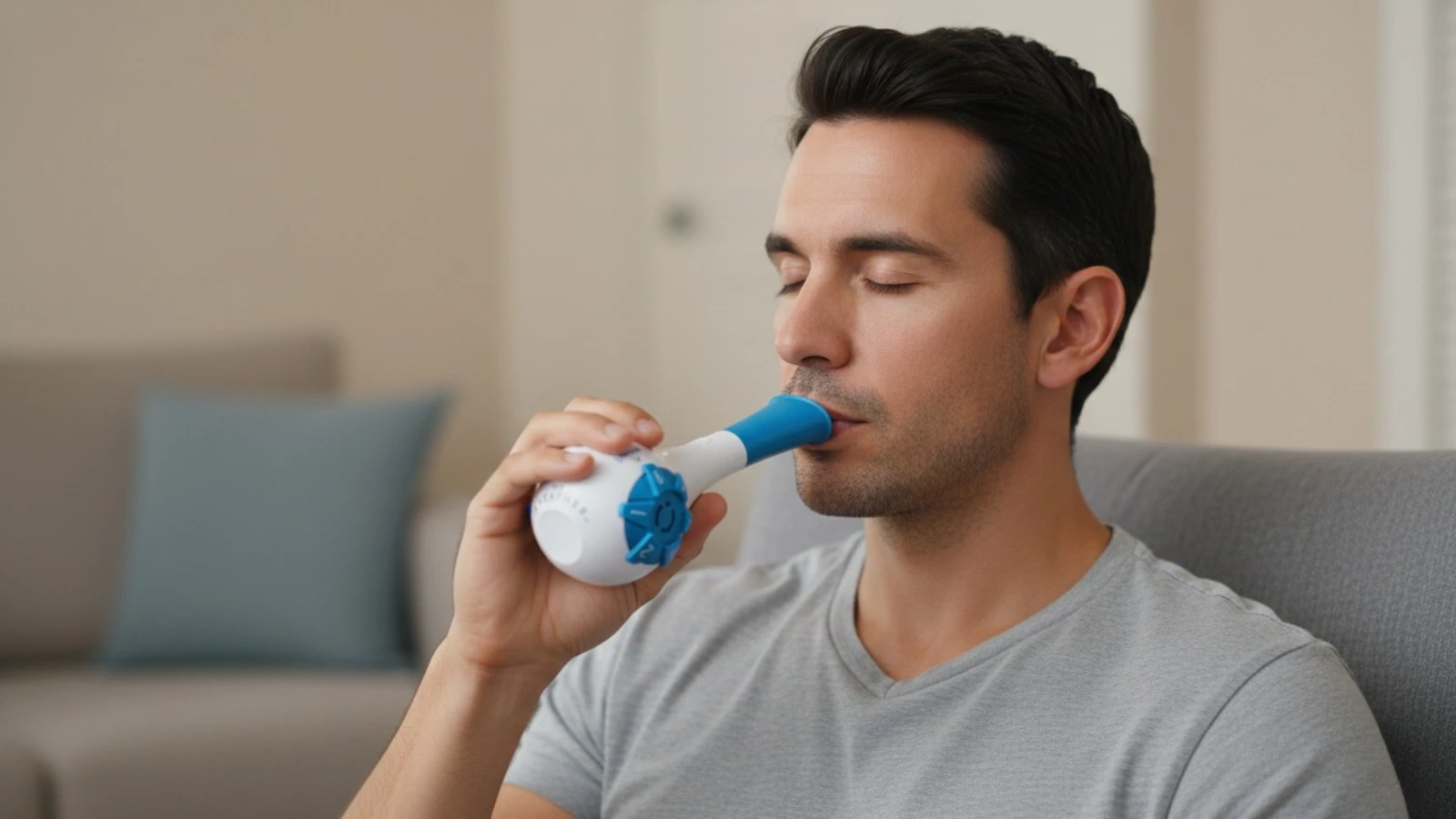
How Long Does It Take to See Results with a Respiratory Muscle Training Device?
When people begin using a breathing trainer, the first question that usually comes to mind is simple: how long before it starts working?
Most people start respiratory muscle training because they want to feel a noticeable difference. Sometimes it is about improving exercise endurance. For others it is about recovering lung strength after illness, managing breathlessness, or simply breathing more comfortably during everyday activities.
The timeline for results can vary, but there is a pattern that many users experience once training becomes consistent.
1. The First Signs of Change Often Appear in the Early Weeks
Subtle improvements are usually the first step
During the first two or three weeks, changes tend to be small but noticeable. Many people report that breathing feels slightly deeper or more controlled during light activities. Walking, climbing stairs, or even speaking for longer periods may begin to feel a little easier.
These early signs happen because the breathing muscles are starting to adapt. Just like any other muscle group in the body, they respond gradually to resistance and repetition.
2. Consistency Has a Bigger Impact Than Training Intensity
Short daily sessions are usually more effective
Some people assume stronger effort will lead to quicker results. With respiratory training, the opposite is often true.
Most routines involve short sessions once or twice a day rather than long workouts. These regular sessions help the diaphragm and surrounding respiratory muscles adjust steadily.
When people skip days or train irregularly, progress tends to slow down. Consistency helps the body adapt in a predictable way.
3. More Noticeable Results Often Appear Around Four to Six Weeks
Breathing endurance begins to improve
After about a month of regular respiratory muscle training, many users begin noticing clearer changes.
Physical activities may feel less demanding. Breath control during speaking or singing may improve. Some people find that they recover more quickly after exertion.
By this stage, the muscles responsible for inhaling and exhaling have started strengthening through repeated resistance training.
4. Long-Term Improvements Develop Over Several Months
Strength and efficiency continue to build
The most meaningful progress often appears after several months of training.
People who maintain a routine frequently report improved breathing endurance, better control during exercise, and reduced feelings of breathlessness during daily tasks.
Because breathing muscles are active throughout the day, even modest increases in strength can make everyday activities feel noticeably easier.
5. Results Depend on Individual Starting Points
Health, activity levels, and goals all matter
Not everyone begins respiratory training at the same level.
Athletes using a respiratory muscle training device for performance may notice improvements sooner because their lungs are already used to regular exertion. Someone recovering from illness or surgery may need more time for the same progress to appear.
Age, physical condition, and consistency of practice all influence how quickly changes become noticeable.
6. Small Signs of Progress Are Often the Most Important
Improvements can appear in everyday moments
Many people expect dramatic results. In reality, early improvements are often subtle.
Breathing may feel calmer during stressful situations. A walk that once felt tiring might feel more comfortable. Speaking for longer periods may require less effort. These small changes are usually the first indicators that respiratory muscles are becoming stronger and more efficient.
Building Progress Through Routine
Respiratory training works best when it becomes part of a daily habit rather than an occasional activity. Devices designed for respiratory muscle training, such as The Breather, support gradual strengthening through controlled resistance. Over time, consistent training helps improve breathing efficiency, endurance, and overall respiratory comfort.
For most Australians beginning this type of training, the goal is not immediate transformation. It is steady improvement that becomes more noticeable with every week of consistent practice.