Blog
Most people never really think about how they breathe. You just do it: in, out, repeat, all day, every day. But once you start paying attention, you realise breathing affects far more than you think. It shapes how you focus, how you handle stress, how fast you recover after exercise and even how well you sleep.
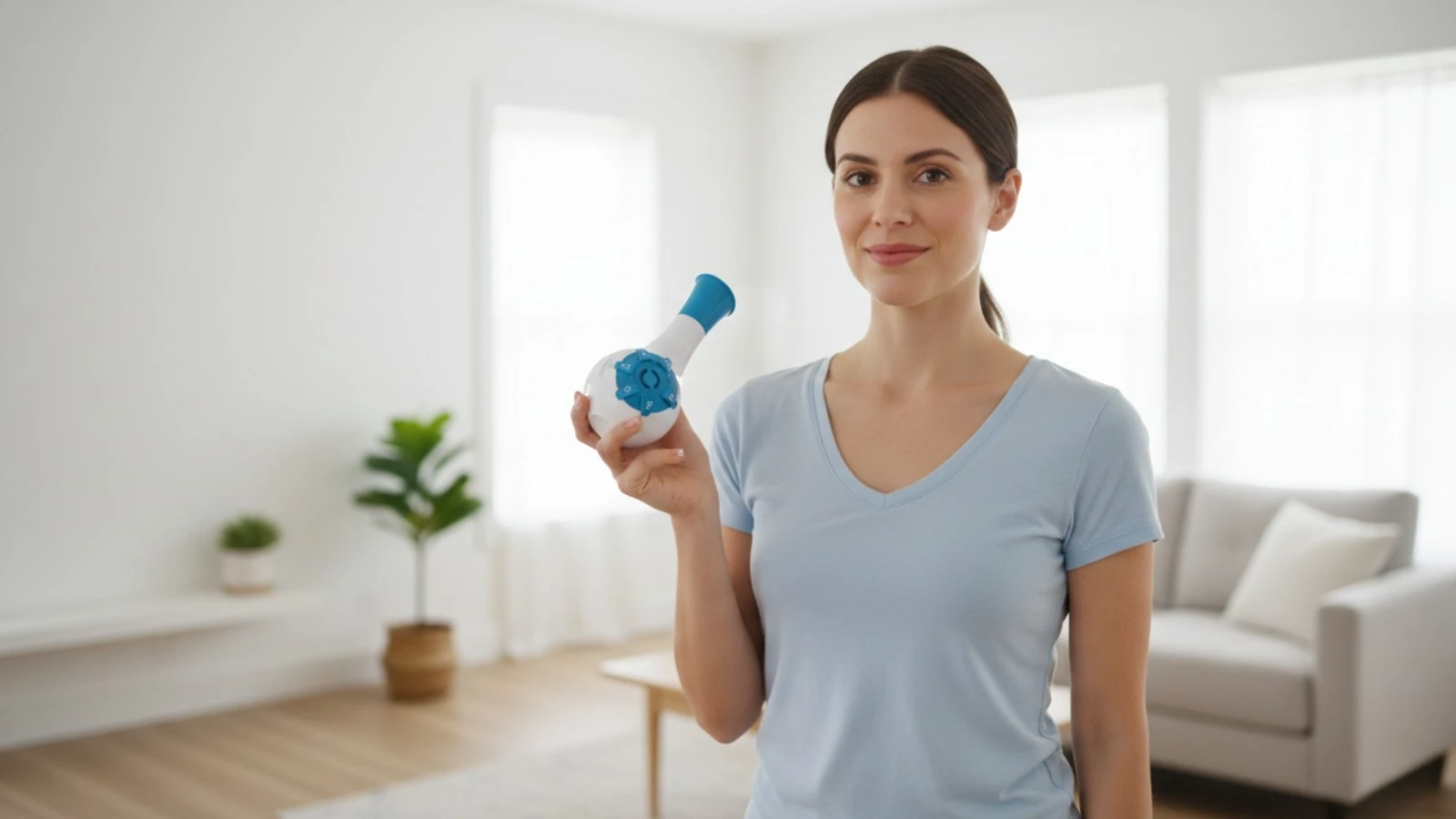
That is where Respiratory Muscle Training (RMT) comes in. Using The Breather, a simple handheld device, you can strengthen your breathing muscles in just minutes a day. It is not a high-tech fad or a complicated ritual. It is simple, backed by science, and surprisingly easy to fit into everyday life. You do not need to be an athlete or have a medical condition to benefit. Anyone can learn how to train their breathing muscles and feel the results.
Across Australia, more people are discovering the power of the breath, not in a mystical way but in a practical one. The Breather has made this kind of training accessible for everyday people who want to feel more energised, calm, and balanced.
What Respiratory Muscle Training Actually Does
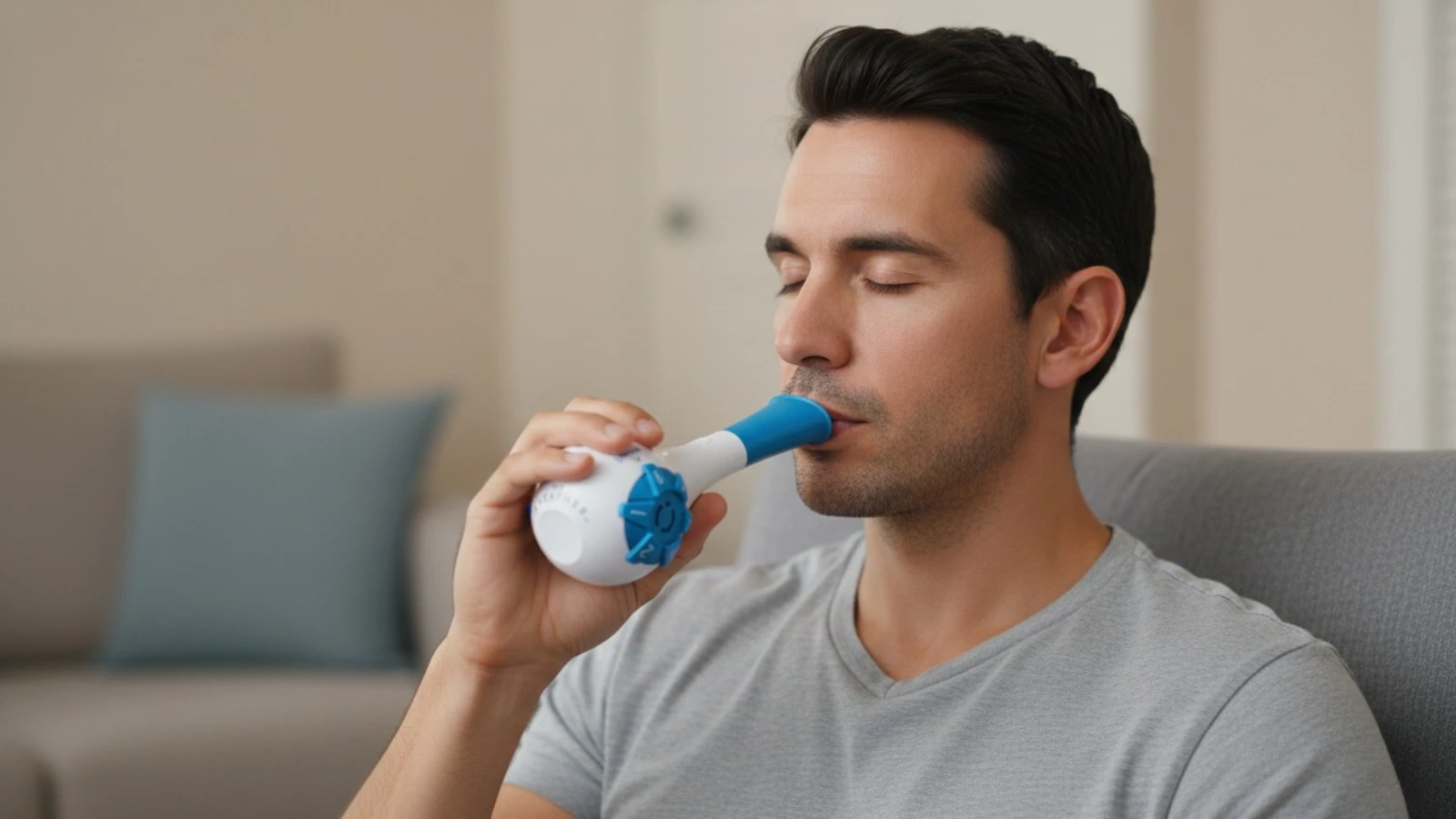
Think of RMT as strength training for your lungs. When you breathe through a small resistance device like The Breather, your diaphragm and the muscles between your ribs have to work harder. Over time, that builds strength and endurance.
It might sound small, but stronger breathing muscles affect everything: your stamina, your posture, and your ability to stay calm. When they are conditioned, breathing feels easier. You naturally take deeper breaths, your body uses oxygen more efficiently, and you tire less during exercise or daily tasks.
Research in Australia and overseas shows that respiratory muscle training benefits include better lung capacity, improved endurance, faster recovery, and reduced breathlessness in both athletes and everyday users. With regular use of The Breather, many people report easier breathing, better focus, and a greater sense of control.
(References: Shei et al., 2018; Álvarez-Herms et al., 2019; Kowalski et al., 2025)
Why RMT Belongs in a Wellness Routine
Modern life quietly disrupts the way we breathe. Tight deadlines, traffic, and constant screen time all push us toward shallow, upper-chest breathing. Shoulders lift, the chest tightens, and that subtle tension never fully switches off.
Using The Breather helps undo that. Training the diaphragm and intercostal muscles teaches your body to breathe fully again. This kind of steady, resisted breathing also activates the vagus nerve, the body’s natural calm-down switch – which can lower heart rate and support relaxation. It is a physical way of telling your body that you are safe.
That is why many people who practise RMT with The Breather report sleeping better, recovering faster, and feeling more centred, even without major lifestyle changes.
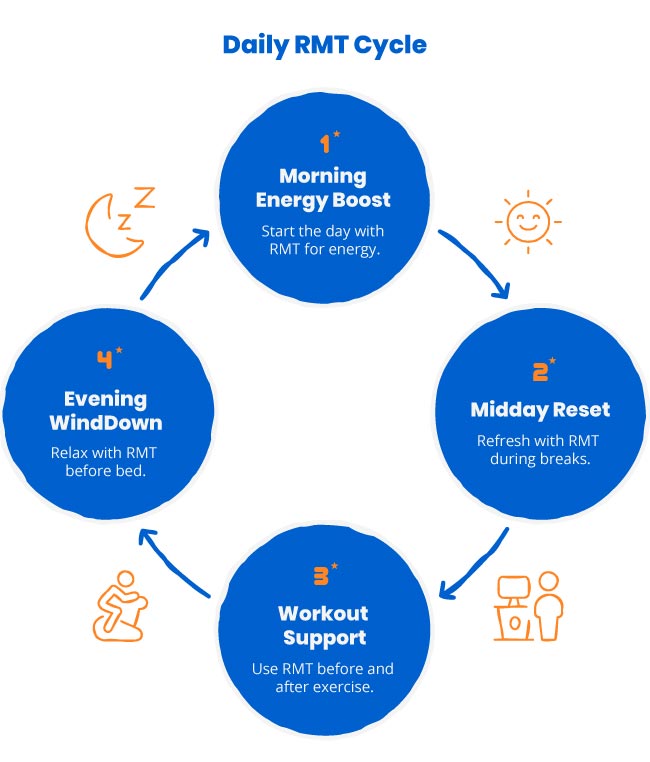
How to Fit RMT into Everyday Life
The best part is how easily RMT fits into daily routines. The Breather makes it simple, you do not need a gym, a class, or spare time in your schedule. It is portable, quiet, and can be used almost anywhere.
Morning Energy Boost
Before your first coffee, take five minutes with The Breather. Focused, resisted breathing oxygenates your body, wakes up your mind, and sets a calm, steady tone for the day.
Midday Reset
If you work at a desk, both posture and breathing suffer. A short session with The Breather during lunch or a quick break helps counter that slouched, foggy feeling. You will feel more alert and clear afterwards.
Before or After a Workout
Using The Breather before exercise warms up your diaphragm and stabilises your breathing rhythm. After workouts, it can help you cool down and restore balance. Many athletes notice smoother, easier breathing within a few weeks.
Evening Wind-Down
Breathing against resistance with The Breather before bed is deeply relaxing. It slows your heart rate, eases mental tension, and signals your body that it is time to rest. Pair it with quiet music or gentle stretching for better sleep.
The Science Behind RMT/RMST
When you train your breathing muscles with The Breather, your lungs become stronger and more efficient. Research shows this can improve exercise tolerance, recovery, and perceived stress levels.
Deep, diaphragmatic breathing also activates the parasympathetic nervous system, which helps the body relax and restore balance. Using steady, resisted breathing can reduce anxiety and help you move from a state of tension into calm.
While RMT will not completely transform oxygen use for everyone, evidence consistently shows measurable gains in respiratory muscle strength, reduced fatigue, and improved endurance after regular practice for six to eight weeks.
The Australian Lifestyle Factor
Australia’s climate presents plenty of breathing challenges. Hot, humid summers, dusty air, cold, dry winters, and long hours in air-conditioned offices all affect how we breathe.
The Breather helps keep the respiratory system adaptable. In humid regions like Brisbane or Darwin, it can help you breathe more efficiently. In cooler, drier cities like Melbourne or Adelaide, it may ease that tight, dry chest feeling.
For active Australians, it is a quiet edge that helps you handle heat, long runs, or ocean swims with more control. For those who spend their days indoors, it keeps the lungs active and resilient despite recycled air.
It fits perfectly with the Australian approach to health: simple, portable, and practical.
How to Stay Consistent
Like any routine, consistency matters more than intensity. A few minutes most days works better than a long session once a week.
Try this:
- Keep your device somewhere visible, such as next to your toothbrush or coffee machine.
- Link it to an existing habit, like after your morning walk or before bed.
- Track how you feel each week. Notice if stairs feel easier or if your stress levels drop.
After a while, it stops feeling like “training” and starts to feel natural, just like stretching or drinking water.
Pairing RMT with Other Wellness Practices
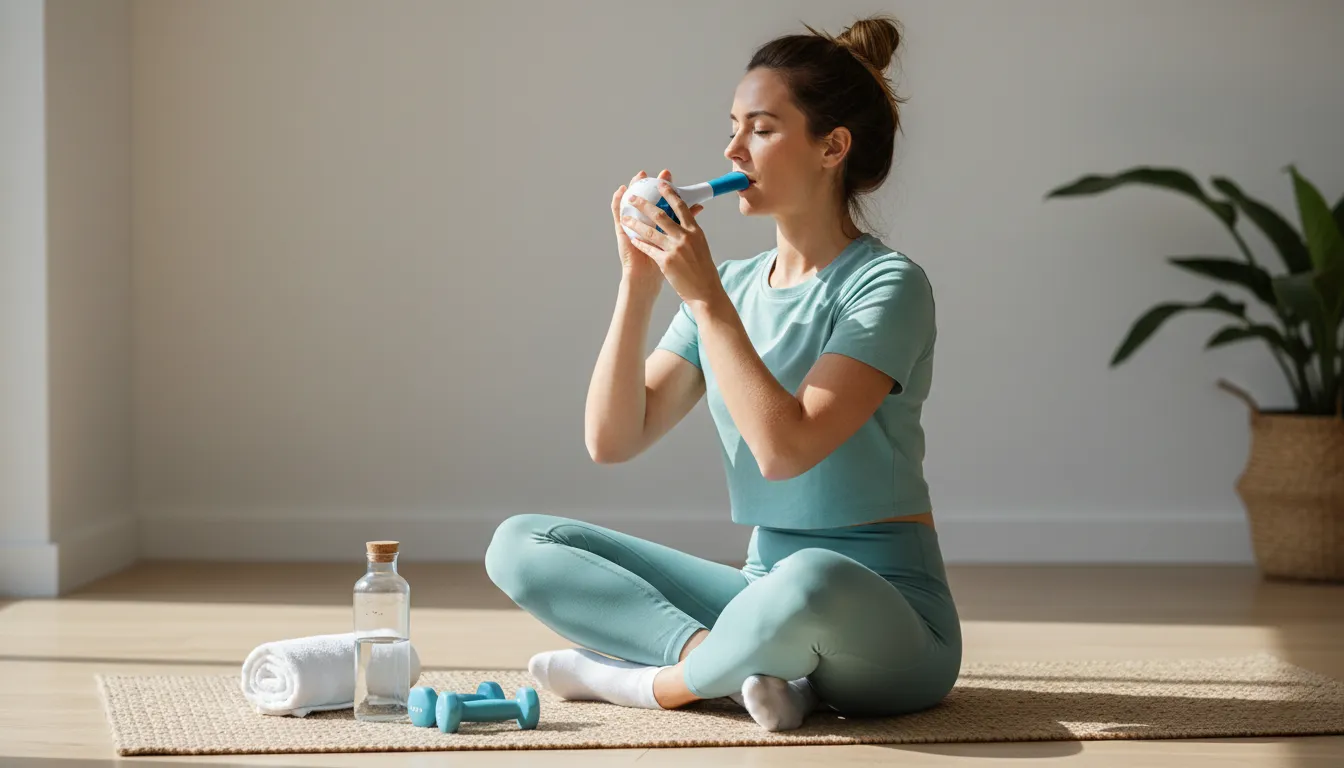
Respiratory muscle training with The Breather complements other wellness habits. If you practise yoga or meditation, it improves breath control. If you run, swim, or cycle, it can enhance performance and recovery.
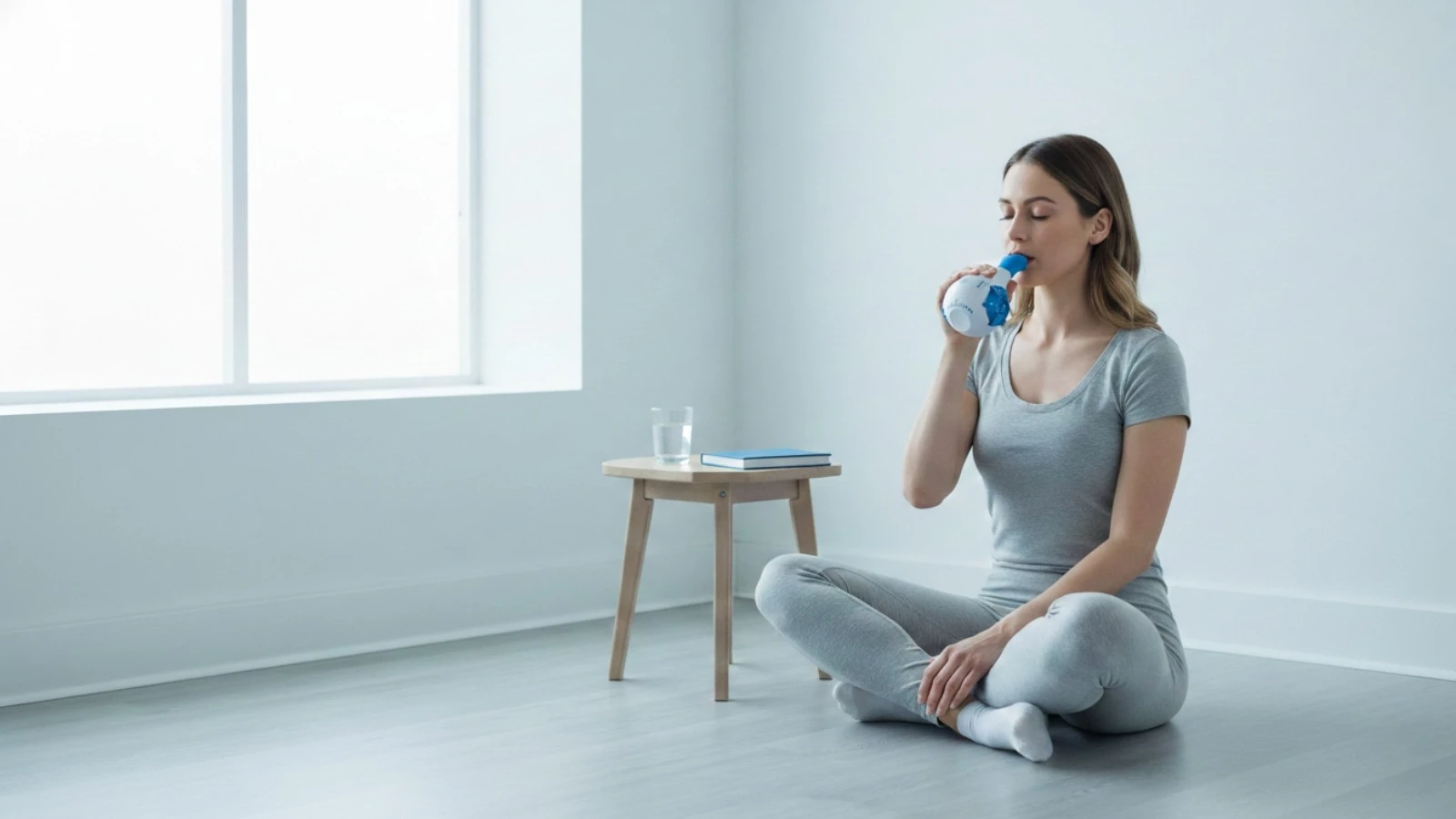
Even if you do not train at all, it can be a daily anchor, a small ritual that slows everything down. Imagine finishing a stressful day, sitting by the window, and taking a few slow, resisted breaths through The Breather. Your shoulders drop, your head clears, and your body finally catches up with your mind.
A Practical Path to Feeling Better
In a world full of complicated wellness trends, it is refreshing to find one that is simple and real. No apps, no subscriptions, no constant screens, just you and your breath.
The Breather keeps consistency easy. It is small enough to carry anywhere, quiet enough to use anytime, and designed for everyday Australian life, whether that is before a run, between meetings, or before bed.
Start small. A few minutes a day is enough to notice a change. You may breathe deeper, sleep better, and feel calmer, all by training the one thing you already do every day.
Better breathing is not about perfection. It is about awareness. Once you feel the difference, you will wonder how something so simple can make you feel so much stronger.
Questions and Answers
How does The Breather work for RMT?
The Breather adds light, adjustable resistance to inhaling and exhaling, helping strengthen breathing muscles safely and effectively.
What is Respiratory Muscle Training (RMT)?
Respiratory Muscle Training strengthens the muscles you use to breathe by adding light resistance to each breath. It helps improve endurance, posture, and breathing control.
How long does it take to see results from RMT?
Most people notice improvements in breathing strength, stamina, and calmness after four to six weeks of consistent use, around five to ten minutes per day.
Can anyone do RMT?
Yes, RMT can be used by almost anyone, from athletes to people who simply want to improve their breathing and reduce stress. Always check with your healthcare provider if you have a medical condition.
Does The Breather really work?
Studies show that using a breathing device like The Breather can improve respiratory muscle strength and endurance. Many users also report feeling more relaxed and focused throughout the day.
Can RMT help with stress and sleep?
Yes. RMT encourages slow, deep breathing to activate the body’s relaxation response, helping to reduce stress and improve sleep quality over time.
References
- Álvarez-Herms J et al. Putative role of respiratory muscle training to improve endurance performance in hypoxia. Front Physiol. 2019.
- Shei RJ et al. Ergogenic value of respiratory muscle work. Front Physiol. 2018.
- Kowalski T et al. Respiratory muscle training and exercise performance: narrative review. Front Sports Act Living. 2025.
- Chang CL et al. Inspiratory muscle training in respiratory impairments. BMC Pulm Med. 2025.
- Verywell Health. 8 Health Benefits of Deep Breathing. 2024.
Note on Results
RMT works best when it is done consistently and at a meaningful resistance level. Just like any kind of strength training, low-effort or irregular use will produce limited effects. Most of the positive outcomes reported in research come from structured protocols where users train several times a week with enough resistance to challenge the diaphragm and intercostal muscles.
Not a Standalone Solution
Respiratory muscle training is a supplementary tool rather than a replacement for regular exercise, healthy habits, or medical care. It can support breathing strength and efficiency, but it won’t replicate the broader benefits of cardiovascular training or resolve health concerns on its own. Think of it as one part of a wider wellness routine.
Individual Differences
Results vary depending on your starting point. People with lower baseline fitness, respiratory weakness, or deconditioning may see clearer improvements than those who already have strong respiratory muscles. Factors like training intensity, frequency, and overall health all influence outcomes, so experiences can differ from person to person.
Related Posts