Why Breathing Becomes Weaker With Age: A Guide to Staying Strong at Home
Breathing becomes weaker with age, and most people do not even realize it. It happens gradually:
Climbing stairs becomes slightly more difficult.
Engaging in long conversations leaves you breathless.
Recovering from a cold takes longer than before.
It is easy to think that this is just a part of aging. However, aging is not the only reason why breathing becomes weaker. Breathing does not have to become weaker with age, and there are ways to prevent this from happening.
1. The Biology of Breathing
The Respiratory Muscles Naturally Lose Strength: Breathing is a function of muscles, not just the lungs. The diaphragm and other smaller muscles between the ribs work continuously. Like any group of muscles in the body, these muscles can weaken with time if they are not exercised.
“As people age, muscle mass naturally declines gradually. This happens in the legs, the arms, and even the muscles that breathe.”
Lung Elasticity Changes Over Time: The lungs are meant to work in a smooth and elastic manner. However, with age, the lungs naturally become slightly less elastic. This means:
Air does not pass through as easily as it used to.
Recovery from illness or physical activity takes longer.
Symptoms of breathlessness may appear even if there is no change in overall health.
2. Why the Decline Accelerates
Sedentary Lifestyles Many people become more sedentary as they grow older. Retirement, office jobs, or simply being less active all play a part. As physical activity declines:
Breathing patterns remain shallow and rhythmic.
The respiratory muscles are not exercised enough to remain strong.
This results in further weakening over time.
The Impact of Illness Respiratory illnesses, the flu, and even common colds can impact older adults more seriously. Recovery may be longer and fatigue can persist. Strengthening respiratory muscles before and after illness can help ensure a more stable recovery.
3. Understanding Breathlessness
It’s Often Muscle Fatigue, Not Lung Disease Not all breathlessness is due to lung disease. More often, the problem is with muscle endurance. When the diaphragm and other respiratory muscles fatigue easily, breathlessness becomes more pronounced, even if oxygenation is normal.
The Solution: Gradual exercise of these muscles can increase endurance and make breathing easier for daily activities.
4. Taking Action Safely at Home
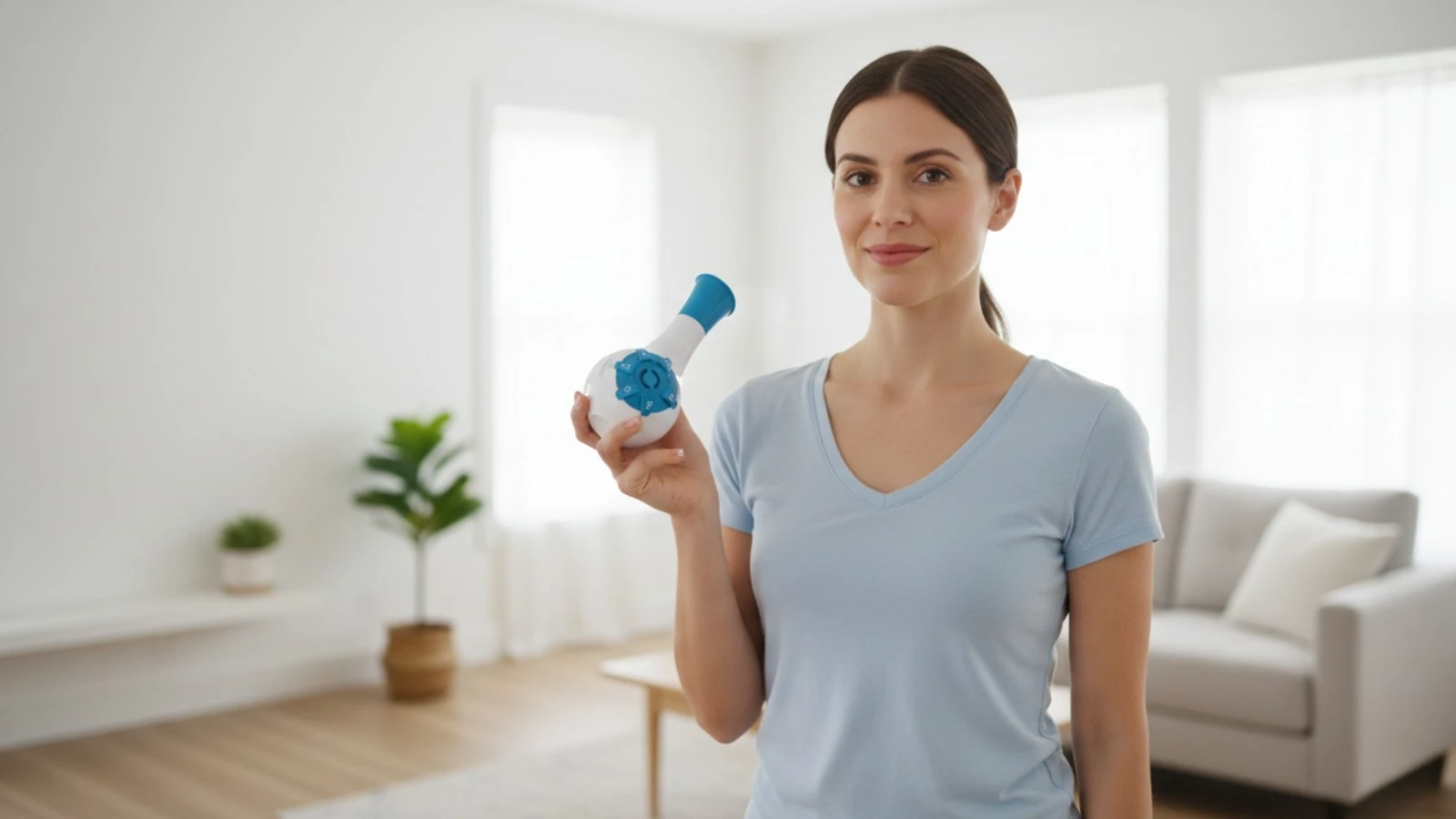
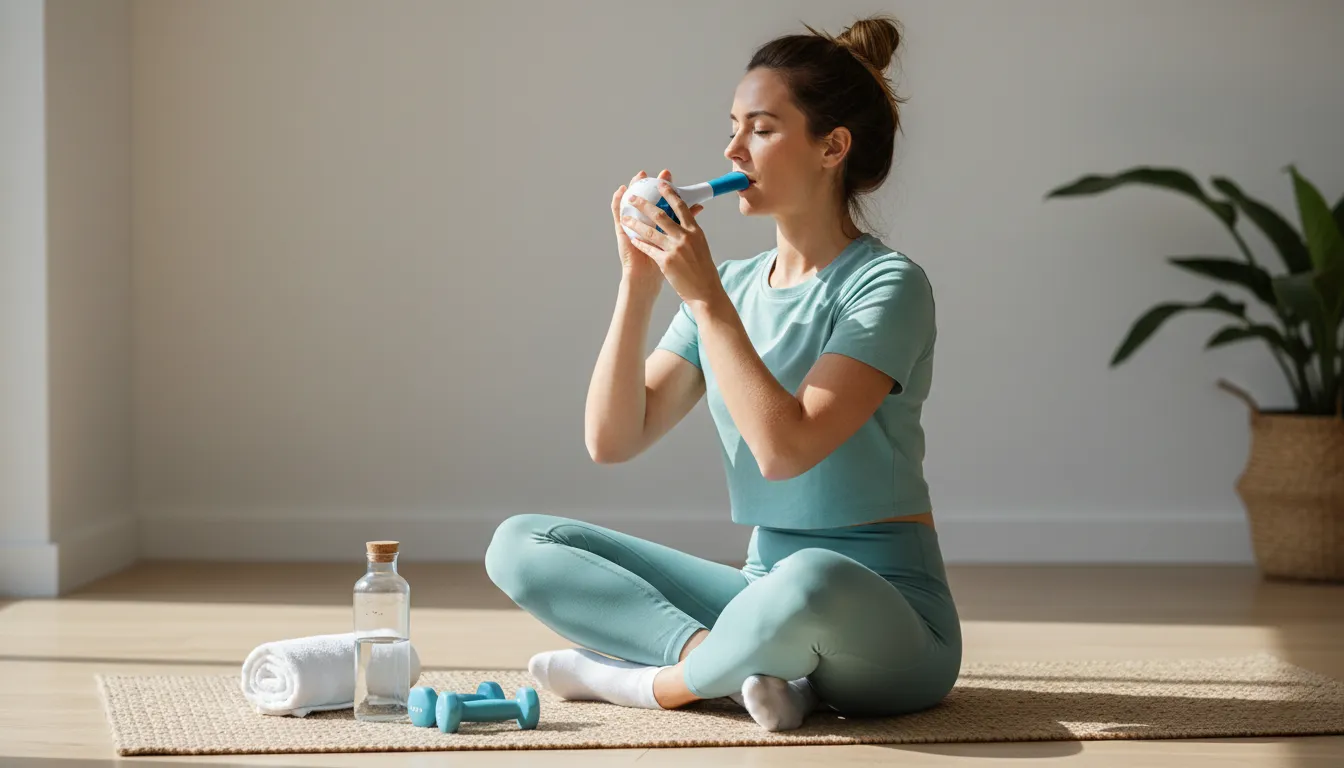
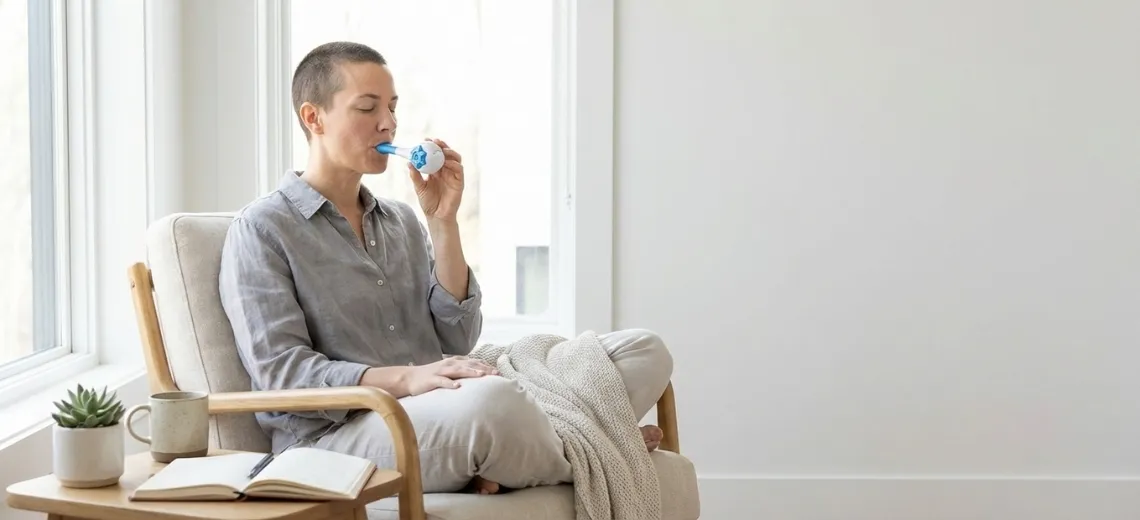
Safe Breath Training One of the best things about respiratory muscle training is that it can be safely done at home. A Breath training device offers variable resistance during inhalation and exhalation, similar to weight training for your breathing muscles.
How to start safely:
Begin with low resistance and work up gradually.
Focus on consistency rather than intensity.
Emphasis on steady breathing for short, controlled periods.
“Ageing does not mean accepting reduced capacity. Just as strength training is good for the arms and legs, it is good for the muscles used for breathing.”
5. The Broader Benefits
People who regularly use a Breath training device often notice benefits that extend beyond the lungs:
Improved Posture: Stronger core and respiratory muscles support the spine.
Increased Confidence: Feeling less winded during exercise or social outings.
Reduced Anxiety: Better breathing control helps in stressful situations.
6. Safety First
While breath training is a safe activity, it must be done with care:
Consult a professional: People with pre-existing heart or lung problems should check with a doctor first.
Listen to your body: Resistance levels must never feel too great.
Stop if necessary: Exercises must never lead to dizziness or discomfort.
A Practical Perspective
Breathing is an automatic function, so it is easy to forget about. However, it has a big impact on energy levels, mobility, and confidence. For Australians who want to remain active and independent, maintaining respiratory strength is part of the equation.
Ageing brings changes, but with the right strategy, breathing can remain steady, controlled, and strong.