7 Signs Your Breathing Muscles Are Weak (And What to Do About It)
Most people don’t spend much time thinking about how they breathe.
It just happens in the background. You only really notice it when something feels off. Maybe you get winded faster than you used to. Maybe a deep breath doesn’t feel quite as easy. It’s usually subtle at first, which is why it gets ignored.
Across Australia, there’s been a growing awareness around lung health, but breathing muscles still get overlooked. They can weaken gradually, and when they do, the signs don’t always look obvious. If you’ve ever wondered whether something feels slightly different with your breathing, it’s worth paying attention to small changes.
1. Getting Breathless Doing Things That Never Used to Be an Issue
This is usually the first thing people notice, even if they don’t connect it to breathing muscles.
Walking up a short set of stairs. Carrying shopping bags. Even moving around the house a bit more than usual. Suddenly you find yourself pausing, just for a second, to catch your breath.
It doesn’t feel dramatic. Just unexpected.
A lot of people assume it’s general fitness or just being tired, which can be true. But it can also be one of the early weak breathing muscles symptoms that tends to get brushed aside.
2. That Feeling of Not Quite Getting a Full Breath
Some people describe it as a shallow breath. Others say it feels like the lungs are not filling properly, even when they try. You breathe in, but it doesn’t feel satisfying.
It’s not always constant either. It might come and go. You might only notice it when you stop and pay attention. That’s why it’s easy to ignore for a while.
But over time, it becomes more noticeable, especially during moments when you actually need deeper breathing.
3. Feeling More Tired Than You Should Be
This one is tricky because fatigue has so many causes.
But breathing plays a bigger role than most people realise. If your breathing muscles are not working efficiently, your body has to work a bit harder just to maintain normal oxygen levels.
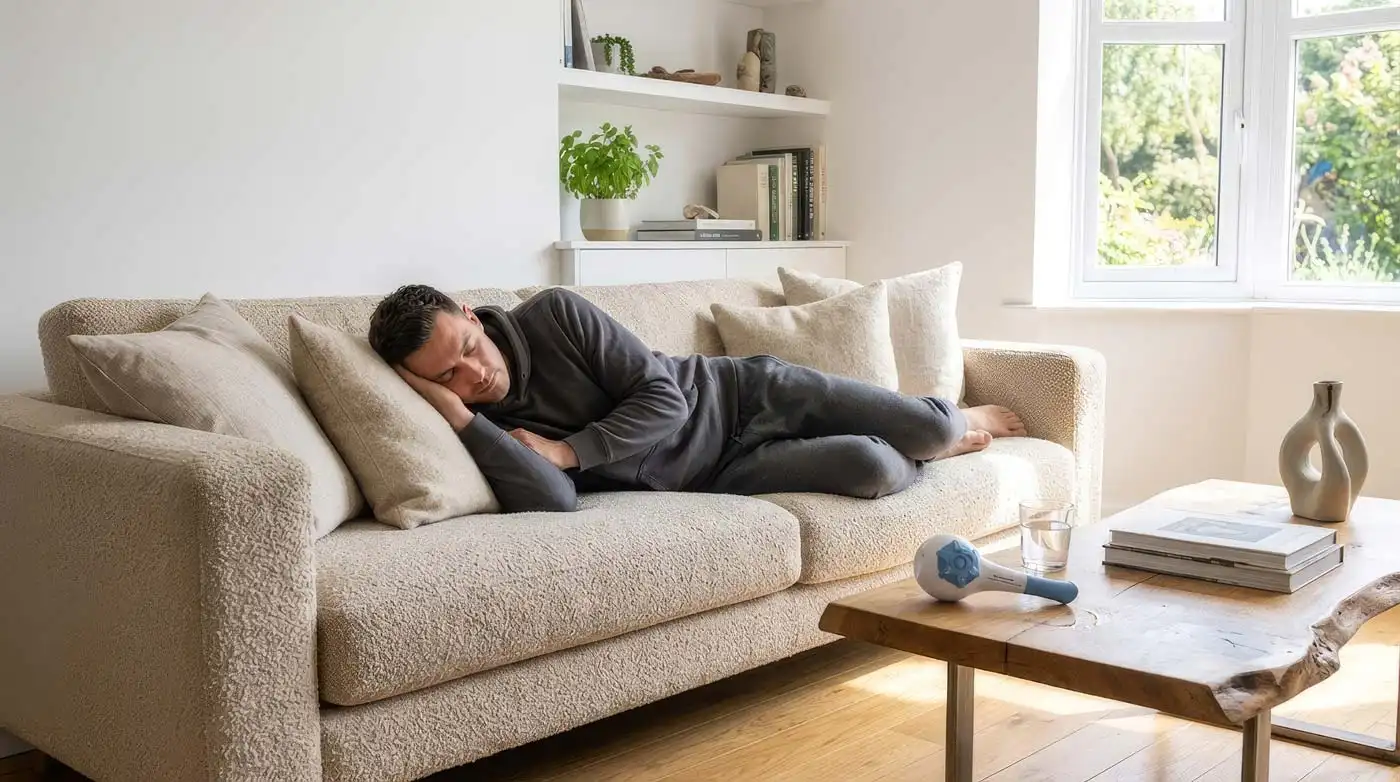
It’s not something you consciously feel. It just shows up as low energy. You finish a normal day and feel more drained than expected, even without doing anything particularly demanding.
4. Exercise Feels Harder, Even If Nothing Else Has Changed
You might still be doing the same walk, the same routine, the same activity, but it feels different.
You get tired earlier. You slow down sooner. You might even avoid pushing yourself because it feels uncomfortable.
This is where respiratory muscle weakness becomes more noticeable. It’s not always about strength in your legs or overall fitness. Sometimes it’s the breathing that can’t keep up. And when breathing struggles, everything else feels harder.
5. Breathing Feels Slightly Out of Sync
Not everyone notices this, but some people do. Breathing feels uneven. Maybe a bit faster than it should be. Or it feels like you’re thinking about it more than usual, trying to control it.
At rest, it might feel fine. But during activity or even conversation, something feels slightly off. It’s not always easy to explain, which is why people tend to ignore it.
6. Talking for a While Leaves You Needing a Pause
This one surprises people. You’re in a conversation, speaking normally, and then you find yourself needing to pause, not because you’re thinking, but because you need a breath.
It becomes more noticeable during longer conversations or when speaking continuously. Breathing supports speech more than we realise, so when those muscles are not as strong, it shows up in small ways like this.
7. It Takes Longer to Settle After Activity
After any physical effort, your breathing should settle fairly quickly. If you notice that it takes longer than it used to, even after mild activity, it can be a sign that your breathing muscles are working harder than they should.
It’s not always dramatic. You just stay slightly out of breath longer than expected. This delayed recovery is often overlooked, but it’s one of the clearer signs once you start paying attention.
What You Can Actually Do About It
The important thing to understand is that breathing muscles can be trained.
For many people, the first step is simply becoming aware of how they are breathing during the day. Slowing it down. Taking more controlled breaths. Noticing patterns.
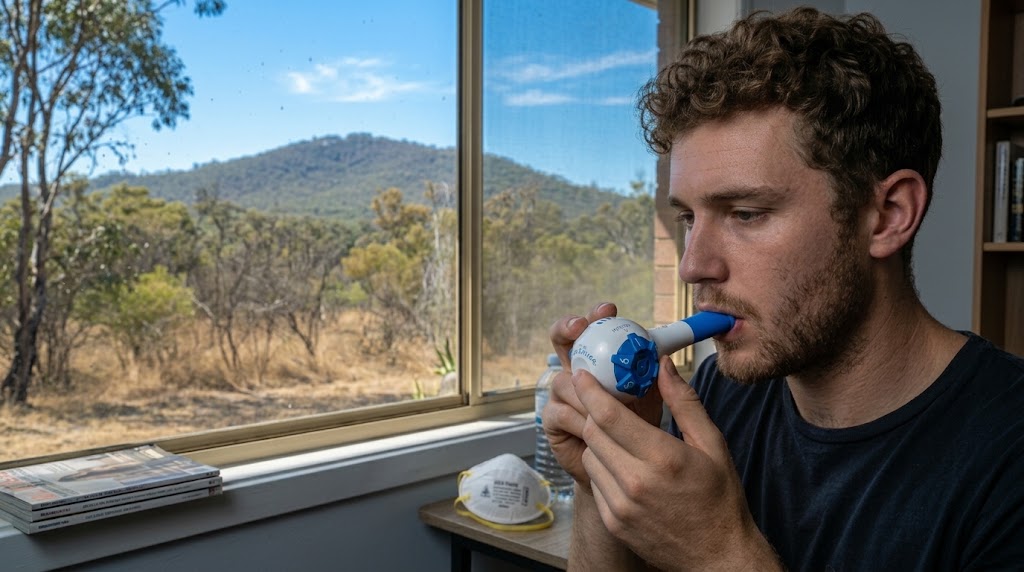
From there, some choose to use a Breathing Trainer to work on both inhaling and exhaling strength in a more structured way.
Devices like The Breather are used because they allow gradual progression. You’re not forcing anything. You’re building strength slowly, the same way you would with any other muscle.
A More Realistic Way to Think About It
Most people don’t suddenly develop severe breathing issues. It’s usually gradual. Small changes that are easy to dismiss.
That’s why these weak breathing muscle symptoms matter. Not because they are alarming on their own, but because they build over time. The good part is that respiratory muscle weakness is often something you can improve with consistency.
And once breathing feels easier again, everything else tends to follow. Energy, movement, even confidence in daily activities.