Blog
Quick answer: VO₂ max measures how efficiently your body takes in, transports, and uses oxygen during exercise. Large population studies now rank it among the strongest predictors of long-term health, ahead of smoking status or diabetes diagnosis. Cardio training remains the foundation for raising it, but the respiratory muscles that power breathing during exercise are trainable too. Resistance-based breathing training, such as The Breather Fit, strengthens those muscles directly, which can reduce breathlessness, delay respiratory fatigue, and support better oxygen delivery during effort.
Why VO₂ Max Has Become an Important Health Metric
For years, people judged fitness through fairly simple measures: body weight, step counts, gym performance, or how quickly they could finish a run. Those numbers still have value, but a different metric has quietly moved into the spotlight.
VO₂ max is now discussed by sports scientists, longevity researchers, fitness coaches, and healthcare professionals alike. What was once considered a performance measurement reserved for elite athletes is increasingly viewed as one of the strongest indicators of overall health and long-term physical resilience.
The reason is straightforward. VO₂ max tells us how effectively the body uses oxygen during exercise, and since oxygen fuels almost every system in the body, that number reveals more than most people realise.
What Exactly Is VO₂ Max?
VO₂ max refers to the maximum amount of oxygen your body can take in, transport, and utilise during physical activity. Put simply, it measures how efficiently your heart, lungs, blood vessels, and muscles work together when demand increases.
Benefits of a Higher VO₂ Max
A higher VO₂ max generally means:
- Better cardiovascular fitness
- Improved endurance
- Greater exercise capacity
- More efficient oxygen delivery
- Stronger overall physical performance
Research Linking VO₂ Max and Longevity
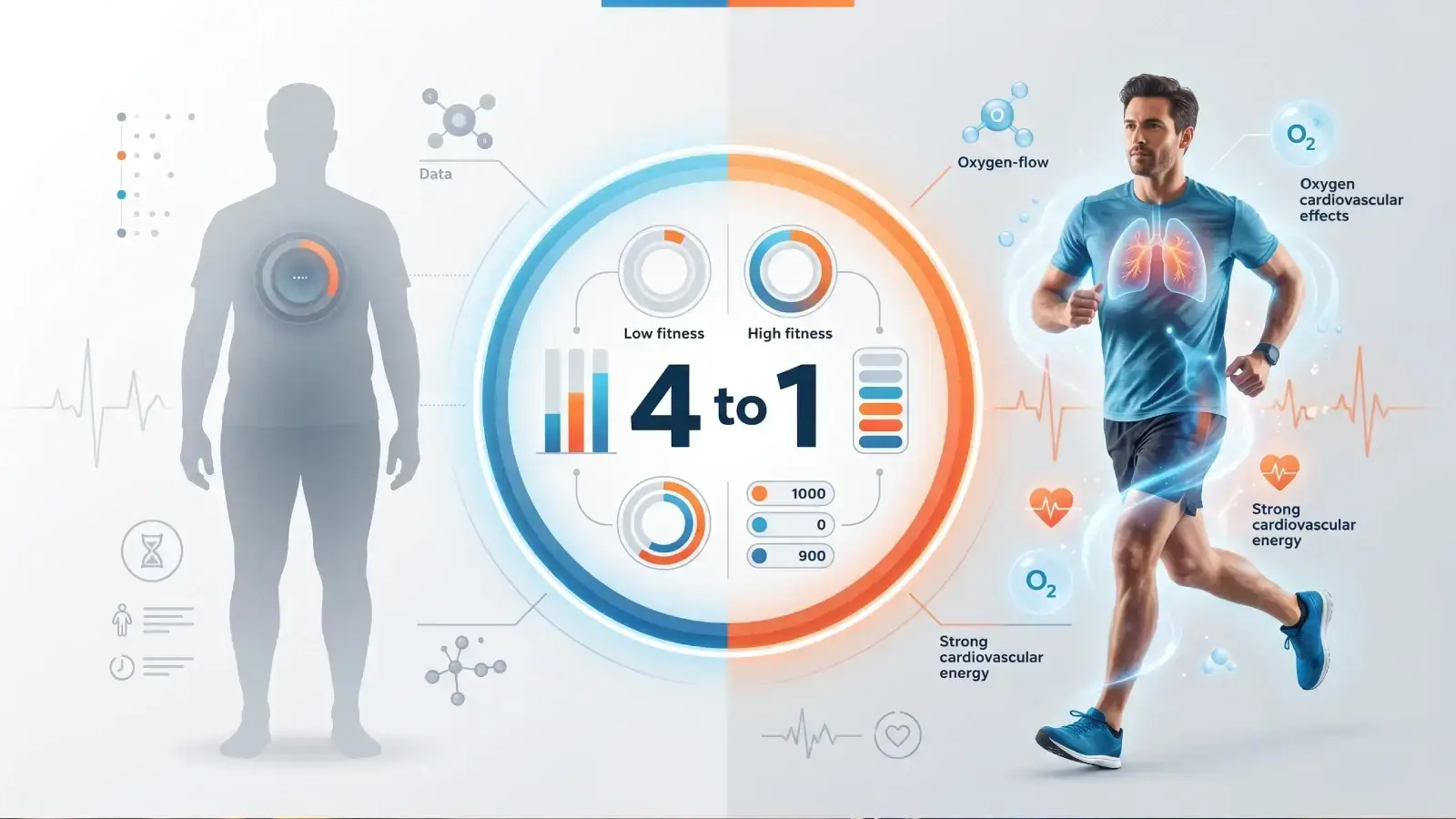
The data behind this is substantial. A 2018 study in JAMA Network Open followed more than 122,000 adults who completed treadmill testing at the Cleveland Clinic. People in the lowest fitness quartile had a mortality rate roughly four times higher than those in the highest quartile, a larger gap than the difference seen between smokers and non-smokers in the same dataset. Separate research tracking over 750,000 US veterans found that each one-MET increase in fitness (roughly equivalent to 3.5 ml/kg/min of VO₂ max) was associated with a 13 to 15 percent reduction in all-cause mortality risk, regardless of age or existing health conditions.
This is one reason many fitness trackers and smartwatches now include VO₂ max estimates as part of their health reporting.
Key Research Finding
“People with the lowest fitness levels had a mortality rate nearly four times higher than the fittest group, a bigger gap than smoking itself.”
Why VO₂ Max Matters Beyond Sport
Most people hear the term and immediately think of marathon runners or cyclists. In reality, VO₂ max matters just as much for everyday life.
Walking up stairs without becoming breathless. Recovering quickly after physical activity. Maintaining energy throughout the day. Staying active as we age. All of these rely on efficient oxygen utilisation.
As more people focus on longevity and healthy ageing rather than short-term fitness trends, VO₂ max has become a practical way to understand how well the body is functioning beneath the surface.
The Missing Piece: Breathing Efficiency
When people talk about increasing VO₂ max naturally, the conversation usually centres on running, cycling, rowing, or high-intensity interval training. These methods genuinely help. What gets overlooked is the role of the respiratory system itself.
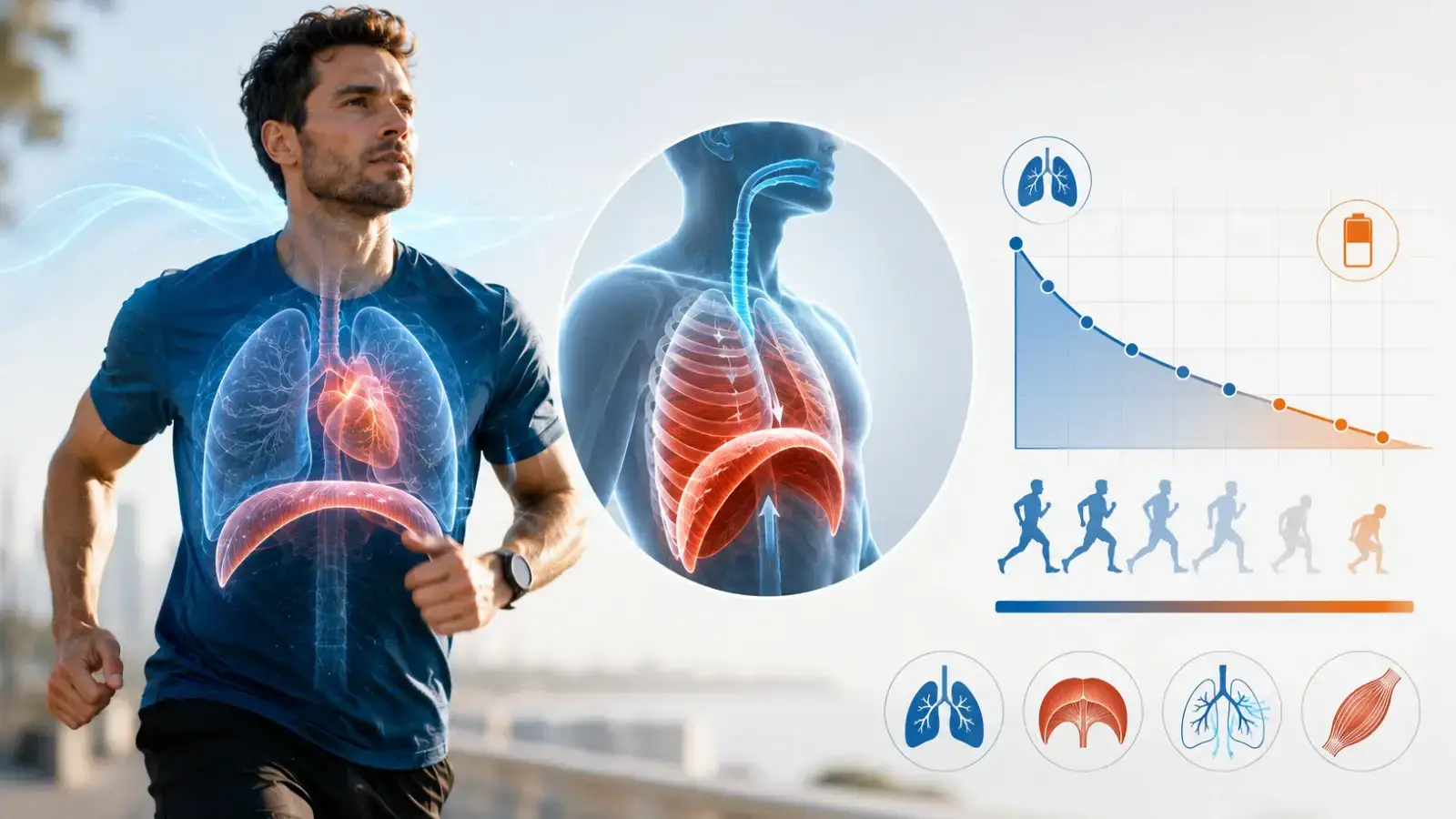
Even when the heart and muscles are well conditioned, breathing can become a limiting factor. The diaphragm and the other muscles involved in inhalation and exhalation work continuously during exercise. If those muscles fatigue early, performance suffers, and that is where breathing training becomes relevant.
Why Respiratory Muscle Fatigue Matters
“Even a well-trained heart can be let down by tired breathing muscles. The diaphragm fatigues like any other muscle under load.”
How Breathing Training Supports VO₂ Max
Respiratory muscles respond to training much like other muscles in the body. Trained consistently with resistance, they become stronger and more fatigue-resistant, and the research backing this has grown considerably in recent years.
1. Improved Breathing Endurance
A systematic review and meta-analysis of resistance-based inspiratory muscle training found that loading the inspiratory muscles at 15 percent or more of maximum pressure produced significant strength gains within four weeks, with measurable improvements in VO₂ max emerging from around six weeks of consistent training onward.
2. Reduced Breathlessness During Exercise
A randomised controlled trial in amateur runners found that eight weeks of inspiratory muscle training significantly increased time to exhaustion and reduced both perceived exertion and perceived breathlessness during exercise testing, alongside lower blood lactate accumulation.
3. Better Oxygen Delivery
A separate clinical study on high-intensity inspiratory muscle training in healthy adults reported a 115 percent increase in maximum inspiratory pressure, a 17 percent increase in peak oxygen uptake, and a 19 percent increase in six-minute walk distance.
4. Enhanced Exercise Performance
Many athletes and active individuals now use breathing training as part of a broader endurance and recovery strategy. For people looking to improve VO₂ max through breathing-focused training, strengthening the respiratory system is a practical way to complement traditional cardio work rather than replace it.
Where The Breather Fits In
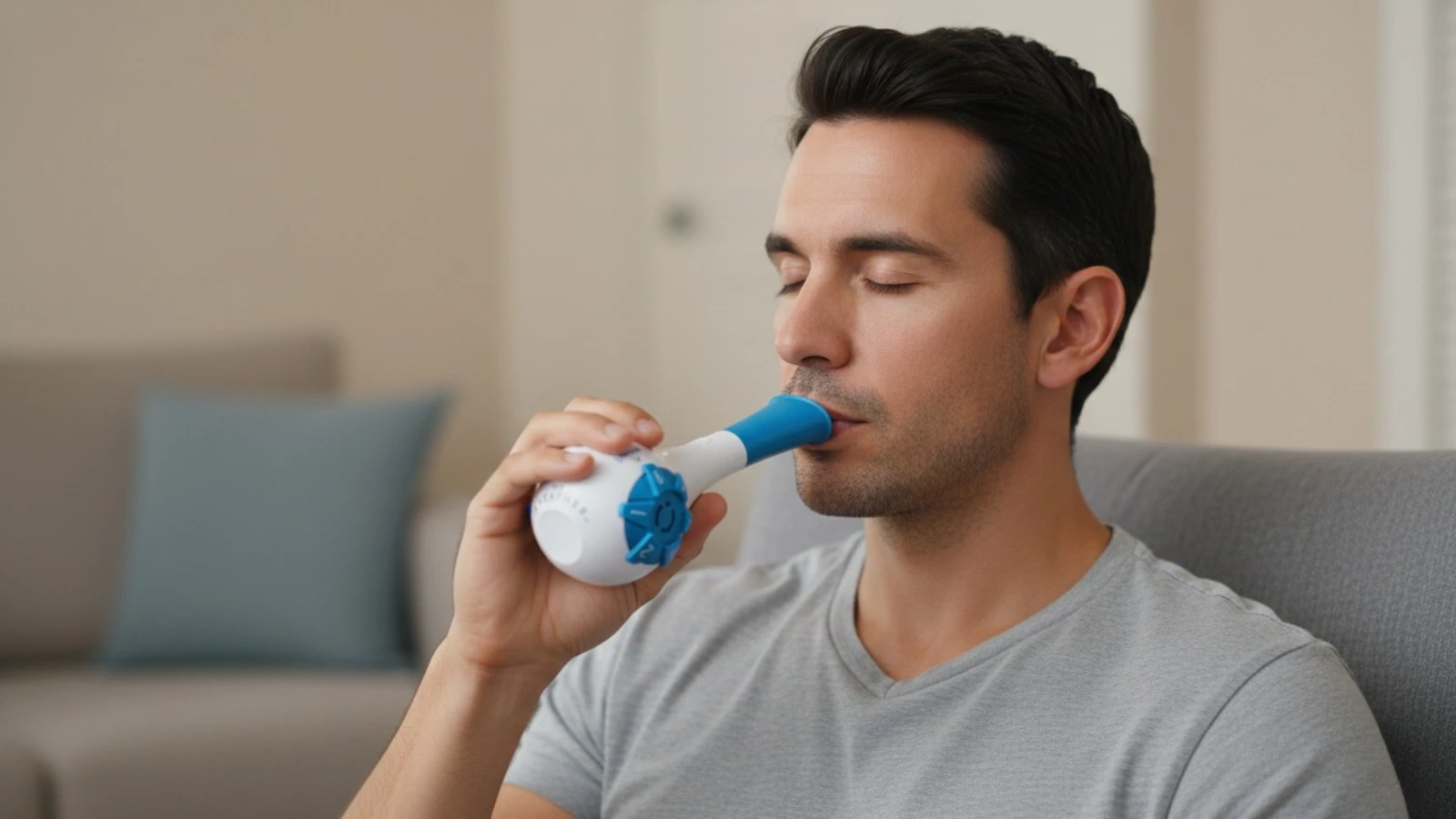
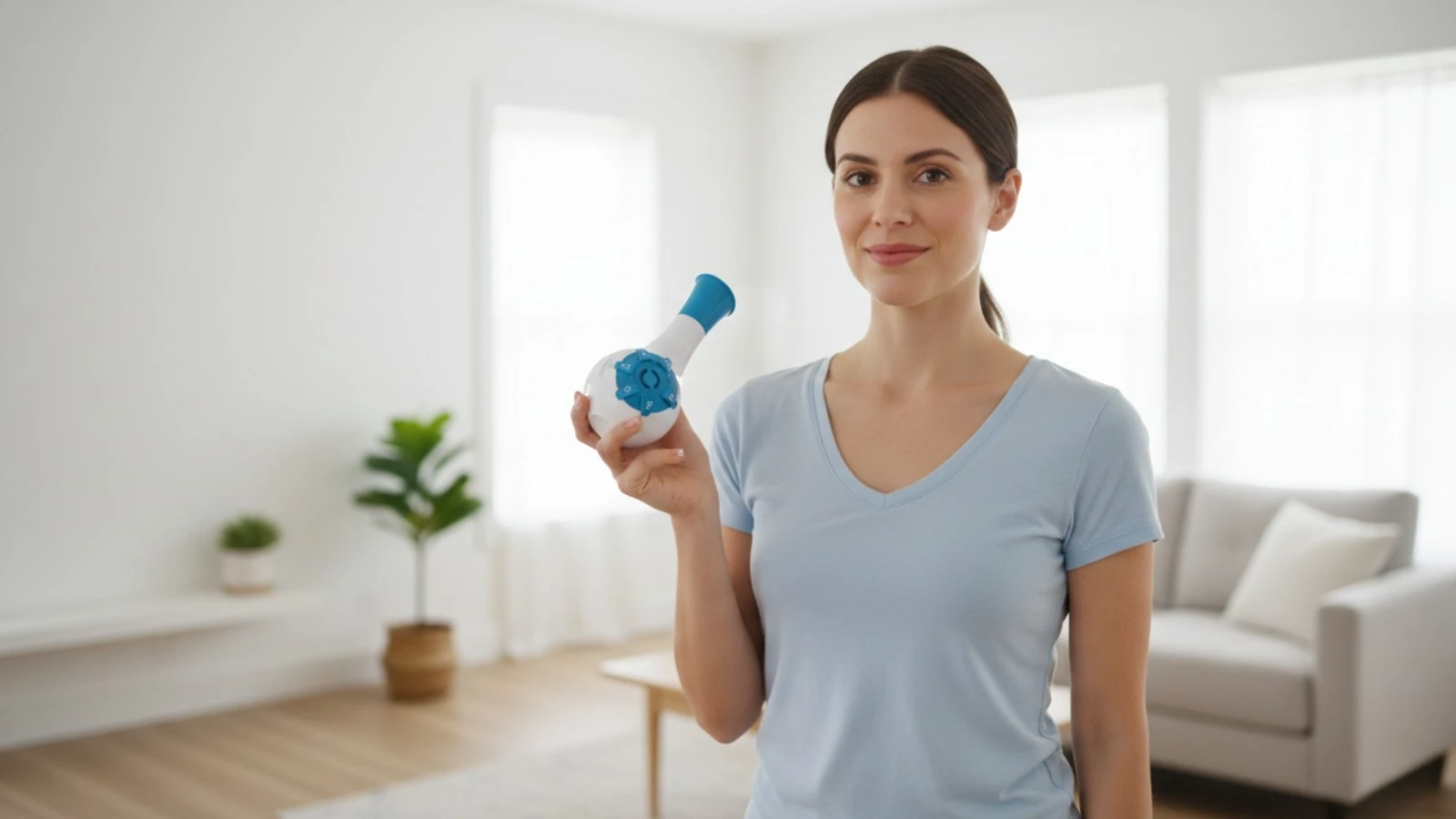
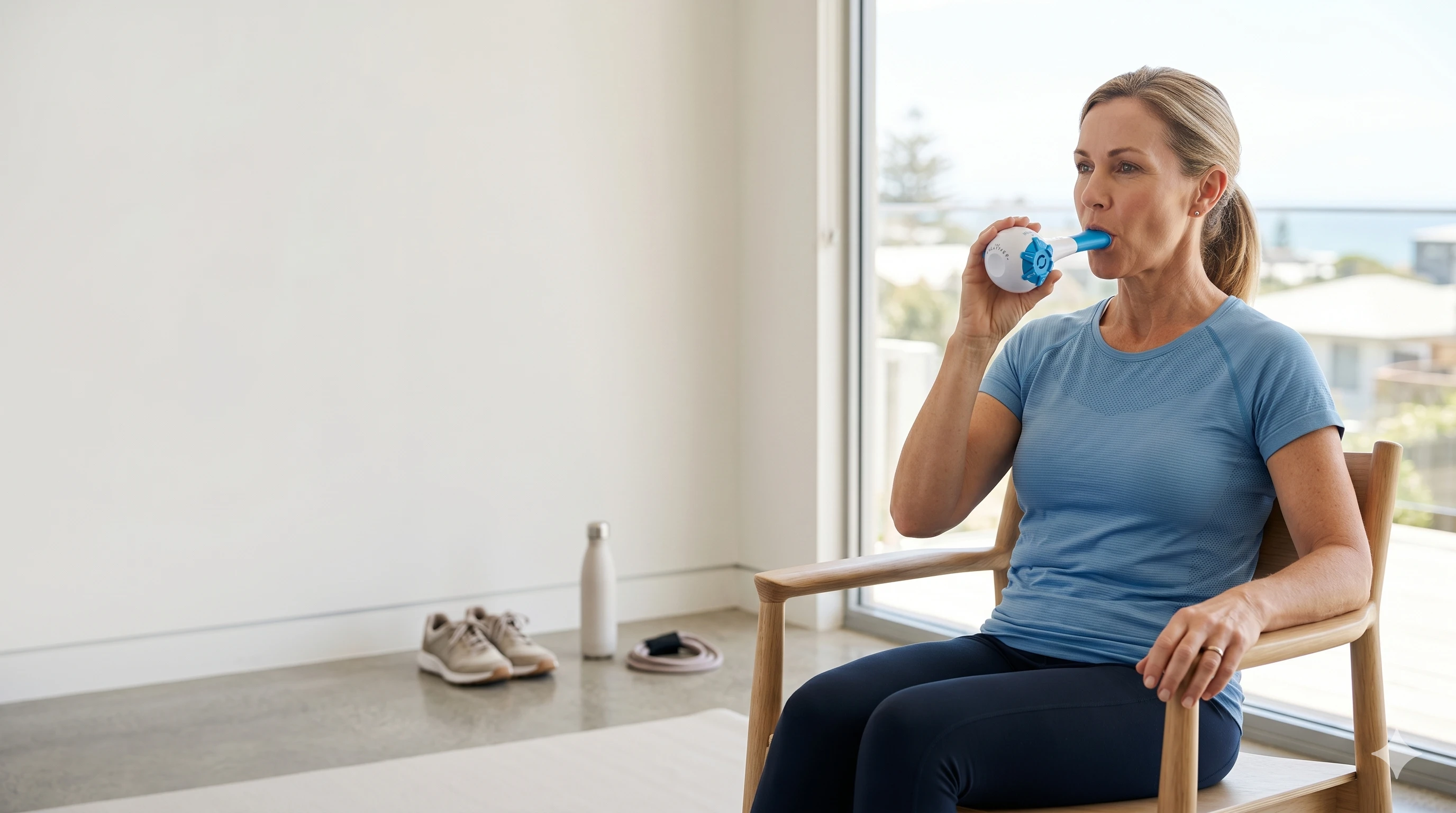
Devices such as The Breather and The Breather Fit are designed specifically to train respiratory muscles through adjustable resistance. Unlike general breathing exercises, resistance training creates a measurable workload for both the inhalation and exhalation muscles.
This allows users to progressively strengthen the muscles involved in breathing, much like increasing resistance during strength training for any other part of the body.
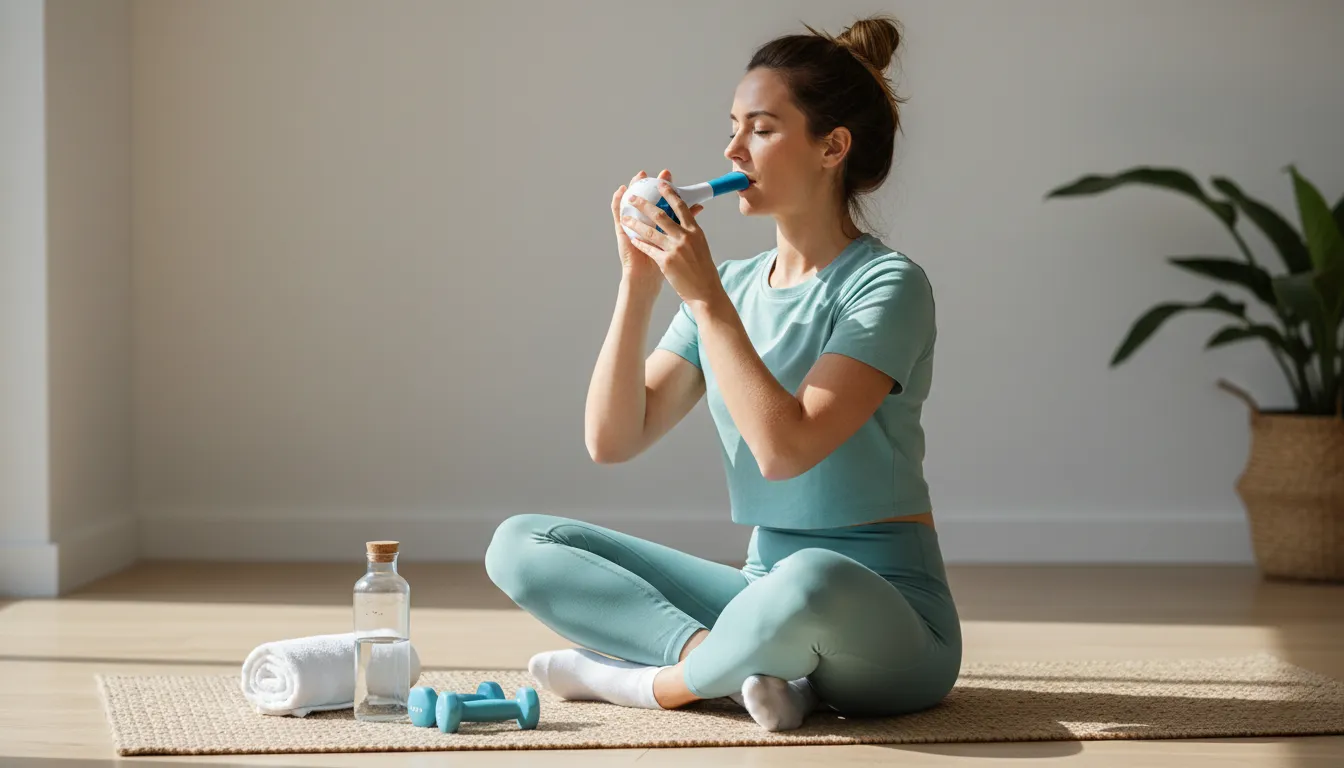
Many users incorporate The Breather Fit alongside walking, running, cycling, swimming, or gym-based training as part of their overall fitness routine. The goal is not to replace exercise. It is to support the breathing system that powers it.
Consistency Matters More Than Intensity
One of the biggest misconceptions about breathing training is that harder is always better. In reality, progress comes from consistency. Short, regular sessions tend to outperform occasional intense efforts, because respiratory muscles adapt gradually, just like any other muscle group.
People who use The Breather consistently often report improved breathing control, better exercise comfort, and greater awareness of their breathing patterns during activity.
Why Daily Practice Delivers Better Results
“Respiratory muscles adapt the same way any muscle does. A few minutes, most days, beats one hard session a week.”
A Different Way to Think About Fitness
VO₂ max has become popular because it reflects something deeper than performance. It reflects capacity. How well the body uses oxygen affects movement, recovery, endurance, and overall physical resilience.
Exercise remains the foundation for improving fitness, but breathing should not be treated as an afterthought. For those looking to increase VO₂ max naturally, improving respiratory strength is a valuable piece of the puzzle.
As more Australians pay attention to long-term health rather than short-term fitness trends, tools like The Breather and The Breather Fit are helping people understand that better breathing is not just about comfort. It is part of better performance, both now and in the years ahead.
Frequently Asked Questions About VO₂ Max and Breathing Training
What is considered a good VO₂ max score?
Good VO₂ max varies by age and sex, but in general, anything in the above-average range for your demographic is associated with meaningfully lower health risk. Tracking the trend over time, rather than chasing a single number, tends to be more useful for everyday health goals.
Can breathing exercises actually increase VO₂ max?
Breathing exercises alone will not replace cardio training, but resistance-based respiratory muscle training has been shown in clinical research to improve inspiratory strength, peak oxygen uptake, and exercise tolerance, particularly when used alongside regular aerobic activity.
How long does it take to see results from breathing training?
Research on resistance-based inspiratory muscle training shows measurable strength gains within around four weeks of consistent use, with broader fitness improvements often appearing from six weeks onward. Short daily sessions tend to produce better results than infrequent, intense ones.
Is The Breather Fit suitable for beginners?
Yes. The Breather Fit uses adjustable resistance, so beginners can start at a lower setting and progress gradually as their respiratory muscles get stronger, in the same way someone would progress with resistance training for any other muscle group.
Do I need a doctor's clearance before starting breathing training?
Anyone with an existing respiratory or cardiovascular condition should check with their doctor before starting a new training device or programme. For generally healthy adults, breathing training is typically well tolerated, but it is always worth confirming with a health professional if you are unsure.
How is The Breather different from general breathing exercises like box breathing?
General breathing exercises focus on pacing and relaxation. The Breather and The Breather Fit add adjustable physical resistance to both inhalation and exhalation, creating an actual training load for the respiratory muscles rather than just a breathing pattern, which is what allows for measurable strength gains over time.
Related Posts