Blog
If you are looking at The Breather, you are probably already past the curiosity stage. You are not wondering what it is. You are wondering whether it is actually worth the money, whether it will sit unused in a drawer, and whether it makes sense in Australian conditions.
That is a fair place to be. Breathing devices sound simple, sometimes too simple. It raises the question: can something this small really make a difference?
This review looks at The Breather from a practical Australian perspective, without exaggeration, without medical claims, and without pretending it suits everyone.
Why Australians Even Consider Devices Like The Breather
Breathing issues are not limited to hospitals or elite athletes. In Australia, everyday conditions make breathing harder than people realise.
Heat, humidity, bushfire smoke, seasonal pollen, dust, and long hours indoors with air conditioning all affect respiratory comfort. Even people without diagnosed conditions often notice shallow breathing, quicker fatigue, or tightness in the chest during certain times of year.
That is usually when people start looking at respiratory muscle training devices. Not because they are unwell, but because breathing feels harder than it should.
The Breather sits in that space. It is not a medical machine. It is not a fitness gadget either. It is something in between.
What The Breather Actually Does
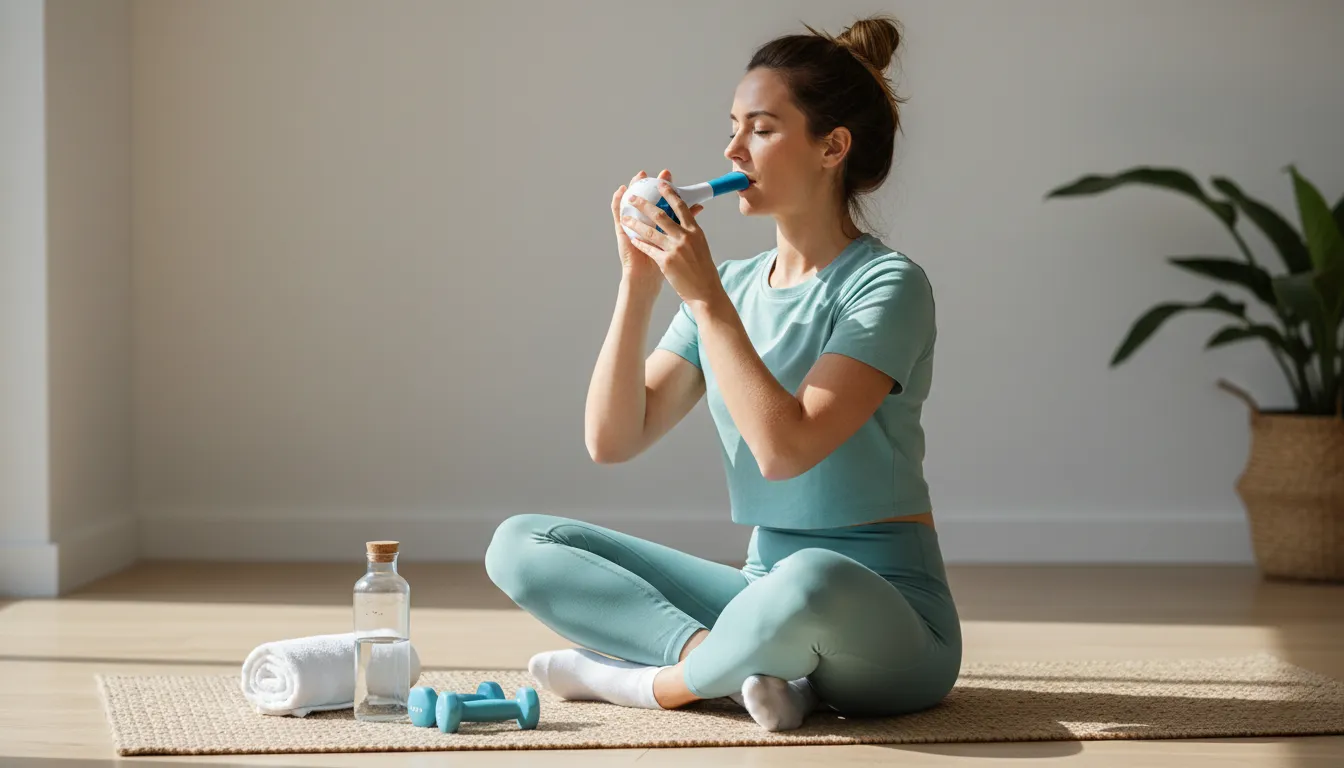
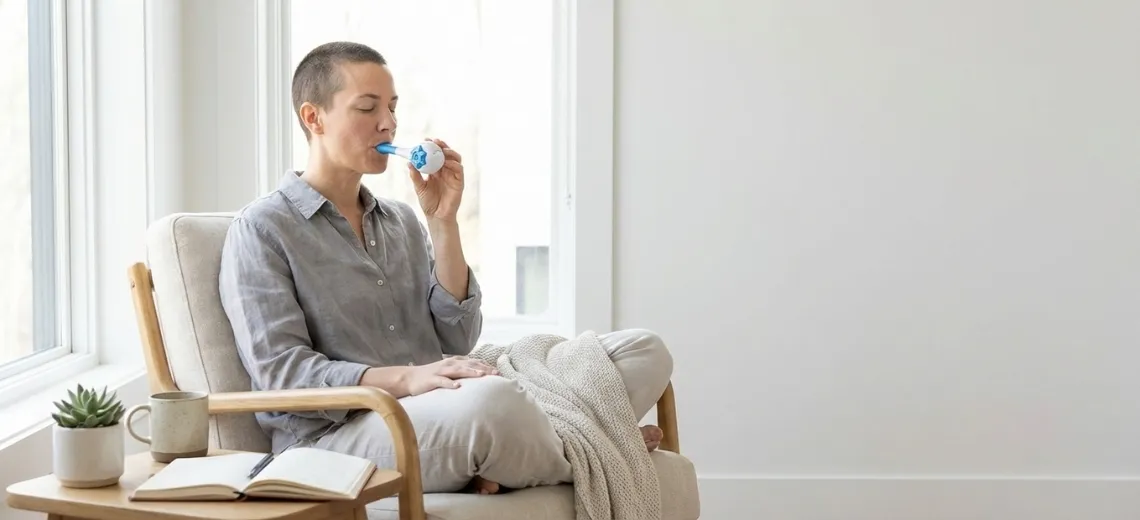
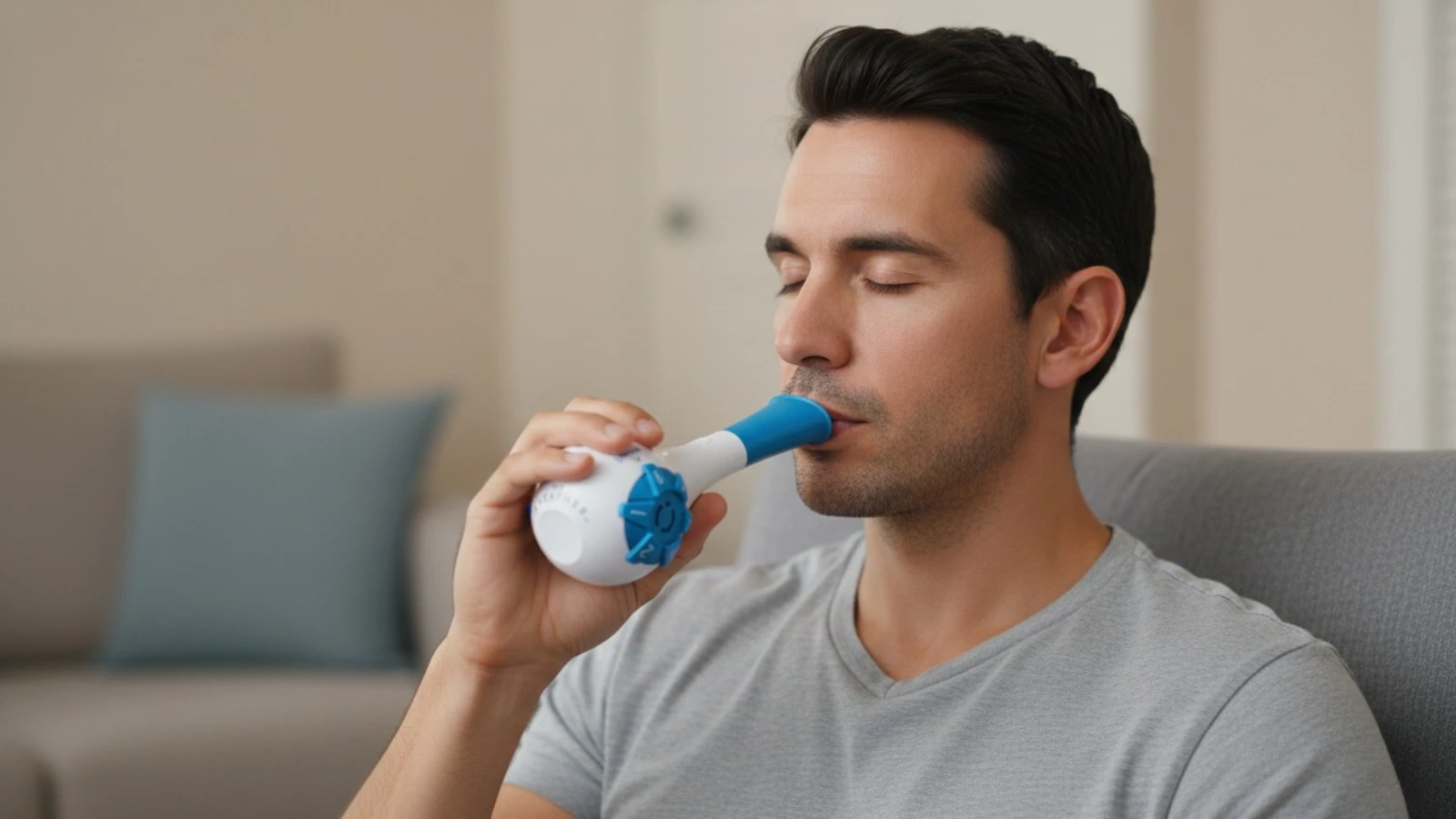
At its core, The Breather is a resistance-based breathing trainer. You breathe in and out through adjustable resistance. That resistance forces your breathing muscles to work harder, much like lifting weights works your arms or legs.
The key detail is that it trains both inhalation and exhalation. Many cheaper devices focus on one direction only.
Over time, stronger respiratory muscles can make breathing feel more controlled and less tiring, especially during activity or stress.
It does not change lung structure. It does not cure conditions. It trains muscles.
That distinction matters.
How It Compares to Other Breathing Devices
There are a few common alternatives Australians look at before buying The Breather.
1. Cheap single-resistance devices:
These are often very basic and only train inhalation. They are cheaper, but limited. For some users, that is enough. For others, it feels incomplete.
2. Apps and breathing exercises:
Breathing apps help with technique and relaxation. They do not build muscle strength. They serve a different purpose.
3. Fitness-based breath trainers:
Some devices are marketed to athletes only. They tend to be more expensive and less intuitive for everyday users.
The Breather sits in a middle ground. It is simple, adjustable, and suitable for both beginners and people already active.
For Australians who want something practical rather than extreme, that balance is part of the appeal.
How Australian Climate Changes the Experience
This is where context matters.
During bushfire season, many people breathe more shallowly without noticing. During high pollen months, the chest can feel tight even without asthma. In hot, humid weather, breathing feels heavier, especially during movement.
Using The Breather indoors allows controlled training even when outdoor air quality is poor. That alone makes it more relevant in Australia than in milder climates.
Air conditioning is another factor. Long hours in dry indoor air can reduce breathing efficiency over time. Respiratory muscle training can help counter that by maintaining strength and awareness.
This does not mean The Breather solves environmental problems. It means it helps your body cope with them better.
What Using It Feels Like Day to Day
The first thing most users notice is that it is harder than expected. Not uncomfortable, just unfamiliar.
Sessions are short. Five minutes feels sufficient at the beginning. You do not finish drenched in sweat or gasping. You feel worked, then normal again.
Over time, breathing feels steadier during everyday tasks. Talking while walking feels easier. Recovery after exertion improves slightly. These changes are subtle, not dramatic.
If you expect instant transformation, you will be disappointed. If you expect gradual improvement, it makes sense.
Who The Breather Makes Sense For
The Breather tends to be most useful for:
Australians managing asthma, COPD, or post-illness recovery under guidance
People affected by poor air quality or seasonal respiratory discomfort
- Older adults wanting to maintain breathing strength
- Active people who notice breath limits before muscle limits
- Anyone who prefers short, controlled routines over complex programs
It may not be ideal for people who dislike routine or expect passive results without effort.
Cost Versus Value in Australia
The Breather is not the cheapest option on the market. It is also not priced at the extreme end.
What you are paying for is adjustability, build quality, and the ability to train both inhalation and exhalation in one device.
There are no subscriptions. No batteries. No app dependency.
For Australians who prefer one-time purchases over ongoing costs, that matters.
Whether it is worth it depends on usage. Used consistently, it delivers value. Left unused, it does not.
That sounds obvious, but it is the honest truth.
Common Concerns Australians Have Before Buying
Some people worry it will be too hard. It is adjustable. You start low.
Others worry it is only for people with lung conditions. It is not restricted to that group. Some assume it replaces medical treatment. It does not. It complements it.
Others wonder if breathing exercises alone are enough. That depends on your goal. Muscle strength and breathing technique are not the same thing. Understanding these differences avoids disappointment.
So, Is The Breather Worth It?
For Australians who are ready to use it properly, yes, it can be worth it. It is not a miracle device. It is not a gimmick either. It is a tool. Like any tool, its value comes from how it is used.
In Australian conditions, where air quality, heat, and lifestyle often challenge breathing, having a simple way to train respiratory muscles at home makes practical sense.
If you want something passive, it will not suit you. If you want something simple, consistent, and physically grounded, it probably will. Sometimes the best test is not whether something sounds impressive, but whether it fits into your life without friction.
For many Australians, that is where The Breather quietly earns its place.
Frequently Asked Questions
Q1: Is The Breather suitable for everyday use in Australia’s climate?
Yes. The Breather can be used comfortably indoors, which makes it practical during hot weather, high humidity, bushfire smoke events, or poor outdoor air quality. Many Australians prefer indoor respiratory training for consistency throughout the year.
Q2: How long does it take to see results from using The Breather?
Most users notice subtle improvements in breathing control within two to three weeks of regular use. More noticeable changes, such as improved endurance or reduced breathlessness during activity, usually develop over several weeks of consistent training.
Q3: Can healthy adults use The Breather or is it only for people with lung conditions?
Healthy adults can use The Breather. It is commonly used to improve breathing efficiency, support fitness, and maintain respiratory muscle strength. People with diagnosed conditions should follow medical advice when starting any new training routine.
Q4: Is The Breather better than breathing exercises alone?
Breathing exercises improve technique and relaxation, while The Breather adds resistance to strengthen breathing muscles. They serve different purposes and can work well together depending on individual goals.
Q5: Is The Breather worth the price compared to cheaper breathing devices?
The Breather costs more than basic devices because it allows adjustable resistance for both inhalation and exhalation and does not require subscriptions or electronics. For Australians who use it consistently, this flexibility and durability often justify the price.
Related Posts