Blog
Quick Answer
Poor breathing reduces energy because shallow, inefficient breaths deliver less oxygen to your cells. Common poor breathing symptoms include chest breathing, frequent sighing, mouth breathing and waking up tired. Training your breathing muscles with a resistance device for around 5 minutes a day may help improve breathing efficiency and support steadier energy through the day.
You breathe roughly 20,000 times a day. It is the one bodily function running constantly in the background, and when the pattern is off, even slightly, it can chip away at your energy without you ever noticing the cause.
Most people chase unexplained fatigue with more coffee, a better mattress, or a vitamin supplement. You eat well, you sleep a reasonable number of hours, and you still drag yourself through the afternoon feeling flat. Few think to check how they are actually breathing.
The Hidden Link Between Breathing and Energy
Every cell in your body relies on oxygen to produce energy. That process happens in tiny structures called mitochondria, and it depends on a steady, efficient supply of oxygen delivered through the lungs and bloodstream. When breathing is shallow, rapid, or inefficient, less oxygen reaches your tissues per breath, and your body has to work harder just to keep up with normal demand.
Over time, this shows up as tiredness that does not match your activity level, a foggy head by mid afternoon, and a general sense of running on empty even after a full night's sleep.
Common Poor Breathing Symptoms
Poor breathing patterns are often subtle enough that people live with them for years without realising. Tick off any of these that sound like you.
Ticked two or more? Your breathing pattern is worth paying attention to.
That last one matters more than most people realise. Breathing and sleep quality are closely connected. In one eight week study of adults aged 60 to 85 with sleep disorders, respiratory muscle training improved sleep quality and reduced night time awakenings compared with a control group.
What Efficient Breathing Actually Looks Like
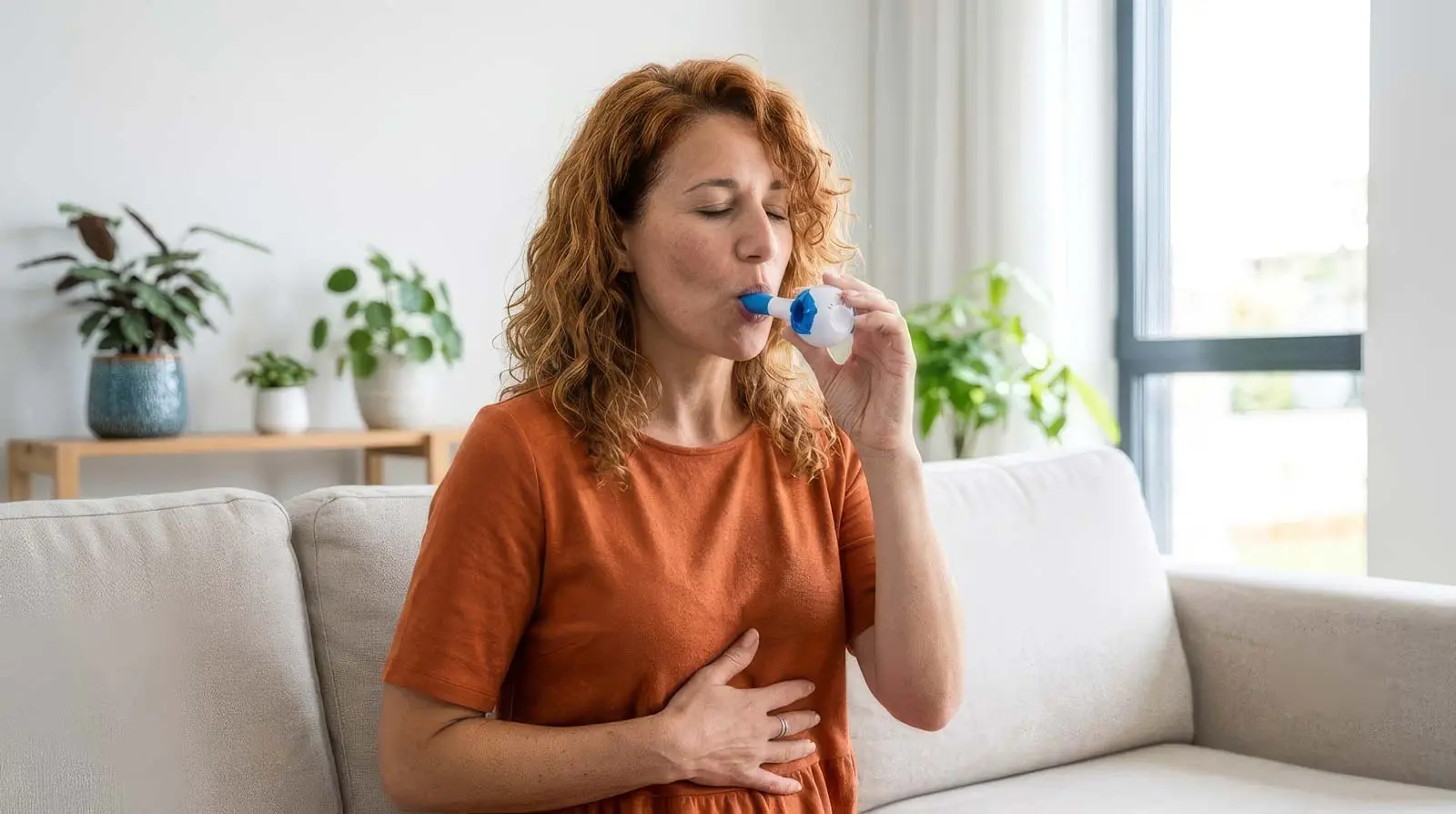
It helps to know what you are aiming for. At rest, efficient breathing happens through the nose, at a relaxed rate of roughly 10 to 14 breaths per minute. The belly rises before the chest, because the diaphragm is doing the work. It is quiet, unhurried, and mostly unnoticeable.
If your resting breath is faster than that, sits high in your chest, or happens through your mouth, your body is working harder than it needs to for every single breath. Multiply that by 20,000 a day and the cost adds up.
Why Does Breathing Become Inefficient in the First Place?
Modern life quietly works against good breathing. Desk based work encourages slouched posture that restricts the diaphragm, chronic low level stress shifts breathing into a faster and shallower pattern by default, and long stretches of screen time and concentration are both linked to unconscious breath holding.
On top of that, the muscles used for breathing simply lose strength and efficiency from underuse, and ageing naturally reduces respiratory muscle strength over time. None of these causes are dramatic or obvious. They build up quietly, which is exactly why poor breathing is so easy to overlook as a cause of low energy.
"The diaphragm and the surrounding respiratory muscles respond to training in the same way any other muscle group does."
Retraining the Way You Breathe
The encouraging part is that the way you breathe is not fixed. Strengthen the diaphragm and the muscles around it, and each breath moves more air with less effort, which supports better oxygen delivery for the same amount of work.
This is where a breathing trainer becomes useful. Rather than simply teaching breathing technique, a resistance based breathing trainer physically strengthens the muscles responsible for each breath, both on the inhale and the exhale.
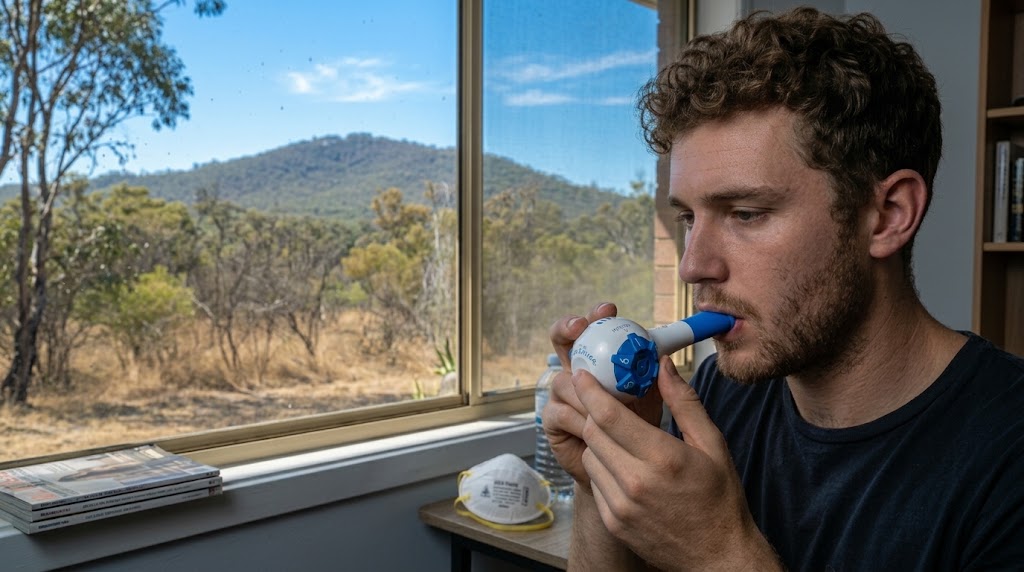
The Breather is a TGA listed breathing trainer used across Australian respiratory clinics and rehabilitation programs. It takes about 5 minutes a day following a simple training protocol, uses adjustable resistance to suit different starting points, and works on both inhalation and exhalation muscles independently. With consistent use, many users report feeling less puffed during daily activity and steadier through the afternoon slump.
2M+
people worldwide have trained their breathing muscles with The Breather.
The Bottom Line
Low energy is rarely caused by one single thing, but poor breathing is one of the most overlooked contributors, largely because it is silent and gradual. Paying attention to how you breathe, and training the muscles behind it, is a simple, low effort change that can genuinely shift how you feel day to day.
One caveat worth stating plainly. Persistent fatigue or ongoing breathlessness can have other causes worth ruling out with your GP, from iron levels to thyroid function to sleep disorders. Breathing training works alongside proper medical advice, not instead of it.
Frequently Asked Questions
Can poor breathing really cause fatigue?
Yes. Shallow or inefficient breathing reduces oxygen delivery to your tissues, which can contribute to tiredness, brain fog, and low energy over time.
What are the most common poor breathing symptoms?
Shallow chest breathing, frequent sighing, mouth breathing, afternoon fatigue, and waking up tired despite adequate sleep are among the most common signs.
How do I know if I am breathing correctly?
At rest, you should breathe through your nose at roughly 10 to 14 breaths per minute, with your belly rising before your chest. Breathing that is fast, mouth based, or high in the chest suggests an inefficient pattern.
How does a breathing trainer help with energy levels?
It strengthens the muscles used to breathe, allowing each breath to move more air with less effort. This may support more efficient breathing and steadier energy throughout the day.
How long before I notice a difference?
Many users report feeling less puffed and more energetic within a few weeks of consistent daily use.