Blog
Quick Answer
Can breathing training improve sleep quality? Yes, within limits. Strengthening the muscles behind your breathing can improve sleep quality and daytime alertness, though it is not a cure for sleep apnoea or a replacement for CPAP. Research on respiratory muscle training has shown improvements in sleep quality and daytime sleepiness, and slow breathing before bed may help you fall asleep faster by calming the nervous system.
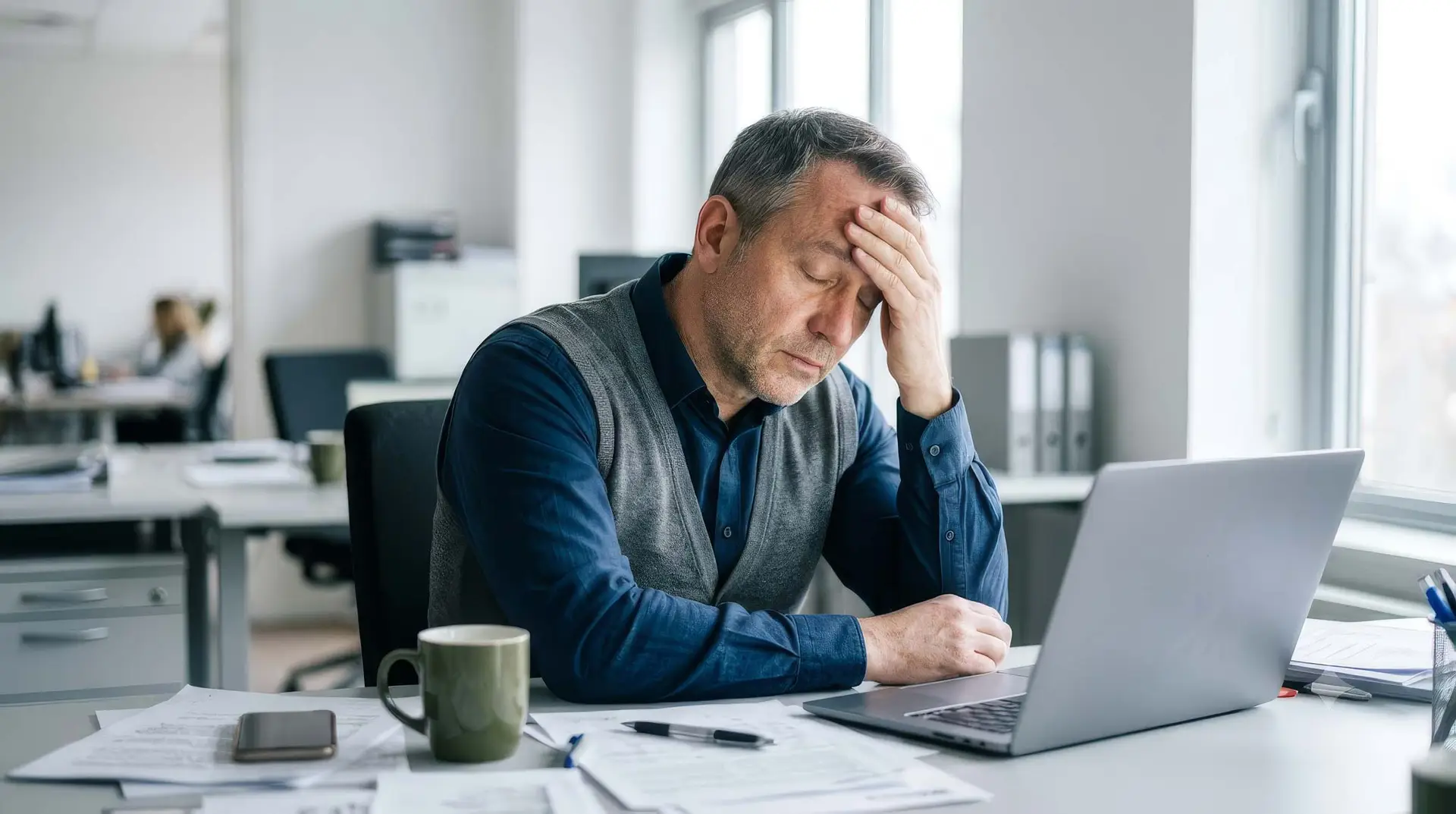
If you have spent enough 2am's staring at the ceiling, you have probably tried the standard fixes. Phone away an hour before bed. Room a little cooler. No coffee after lunch.
One thing rarely makes that list. How you are actually breathing while you sleep.
Your diaphragm and the muscles around your airway keep working long after the rest of you has switched off, contracting thousands of times a night to keep air moving while you rest. When those muscles fatigue or do not fire efficiently, breathing gets shallower and less stable, which can show up as more awakenings and a lighter, less restorative night. So researchers started asking a fair question. If you train those muscles the way you would train any other muscle, does sleep actually get better?
What The Research Actually Shows
Most of the clinical evidence looks at inspiratory muscle training, a form of resistance training that strengthens the muscles you use to inhale. It is a different thing entirely from slow, relaxed breathing.
A randomised controlled trial by Nóbrega-Júnior and colleagues put people with obstructive sleep apnoea through 12 weeks of inspiratory muscle training and compared them against a low load control group. Sleep quality and daytime sleepiness both improved in the training group, alongside stronger breathing muscles.
The evidence is more mixed on whether training reduces the number of breathing interruptions during the night itself. Some trials show a drop, others show little change. Strengthening the muscles behind your breathing will not cure sleep apnoea, but it can help you wake up feeling more rested.
| Outcome | What the research shows |
|---|---|
| Sleep quality | Improves consistently across trials |
| Daytime sleepiness | Reduced in multiple studies |
| Breathing muscle strength | Strong, consistent evidence |
| Nightly breathing interruptions | Mixed. Some trials show a drop, others show none |
| Replacing CPAP | No evidence supports this |
Signs Your Breathing Might Be Undermining Your Sleep
A few of these are easy to write off as normal tiredness. Tick off any that sound familiar.
Ticked two or more? Your breathing at night is worth a closer look.
12
weeks of inspiratory muscle training was enough for a randomised trial to record improved sleep quality and daytime sleepiness in adults with obstructive sleep apnoea.
What Good Breathing Looks Like At Night
It helps to know what you are actually aiming for. Efficient breathing at rest happens through the nose, at a relaxed rate of roughly 10 to 14 breaths per minute, with the diaphragm doing most of the work rather than the chest or shoulders. It is quiet and unhurried, and most people never consciously notice it.
If you regularly wake with a dry mouth, a sore throat, or a headache, those are often signs your breathing shifted into your mouth and chest overnight rather than staying nasal and diaphragm led. None of this is something you need to consciously control while asleep. It is a byproduct of how strong and efficient your breathing muscles are in the first place.
Relaxation Breathing Is Not The Same As Muscle Training
People often lump these together, but they do different jobs.
| Technique | What it's actually doing | Best for |
|---|---|---|
| Diaphragmatic breathing | Calms the nervous system | Falling asleep |
| Extended exhale breathing | Lowers the stress response | Wind-down routine |
| Inspiratory muscle training | Builds physical strength in breathing muscles | Long-term respiratory fitness |
| CPAP therapy | Physically keeps the airway open | Diagnosed OSA |
A 2026 systematic review looking at slow breathing before bedtime, covering nine studies and 457 people, found that self-reported sleep quality and duration reliably improved. When researchers used objective measures like polysomnography, results were far less consistent. That gap matters. It suggests slow breathing genuinely helps people feel more rested, even if the machines do not always agree.
Most people get the most out of doing both. Relaxation breathing to help you drop off, and resistance training built up over weeks to support the muscles doing the work overnight.
What Breathing Training Will Not Do
Worth being direct about this. Breathing training is not currently supported as a standalone treatment for moderate to severe obstructive sleep apnoea, and it will not replace CPAP or diagnose a sleep disorder.
"Strengthening the muscles behind your breathing will not cure sleep apnoea, but it can help you wake up feeling more rested."
Where A Breathing Trainer Fits In
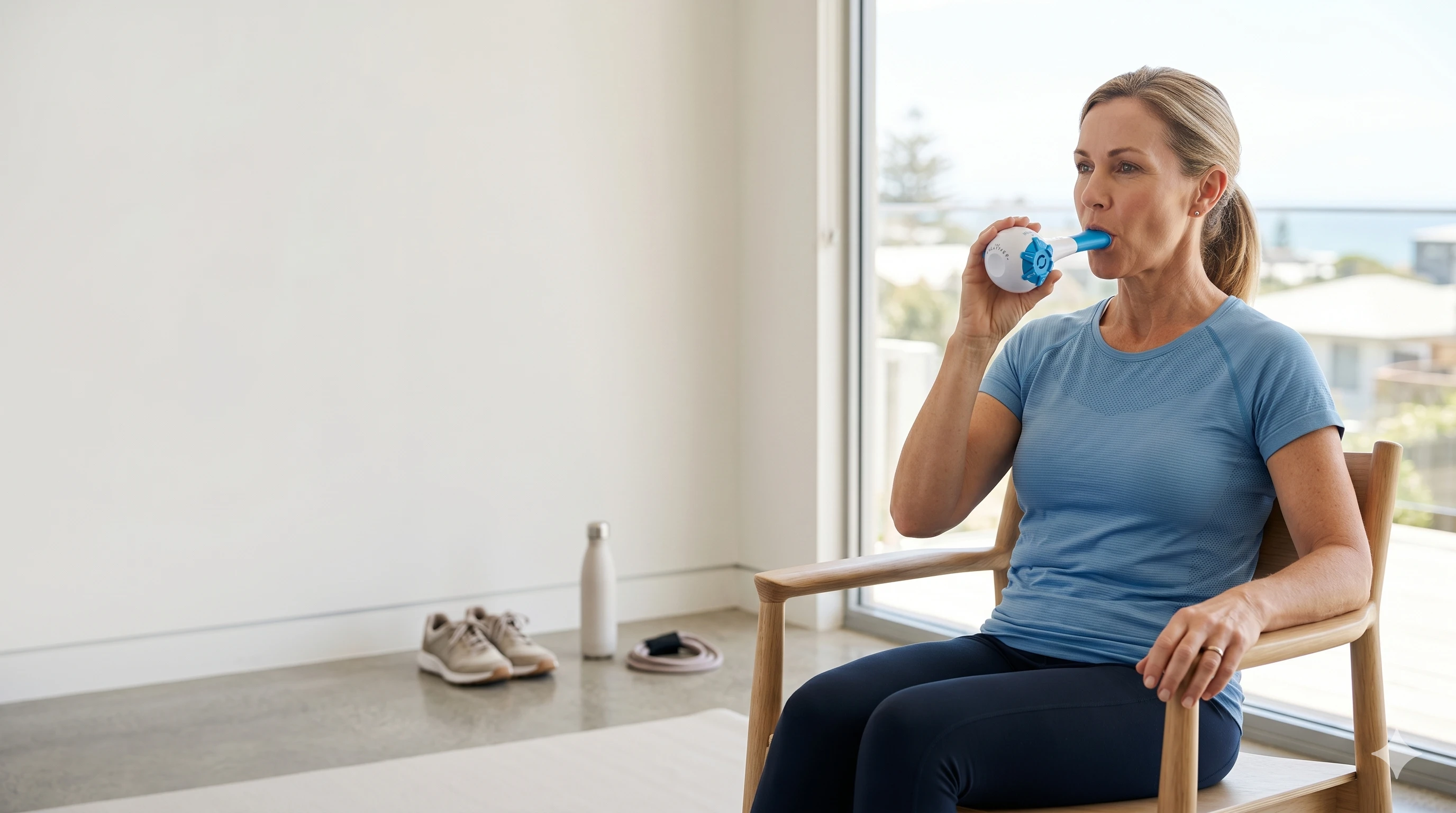
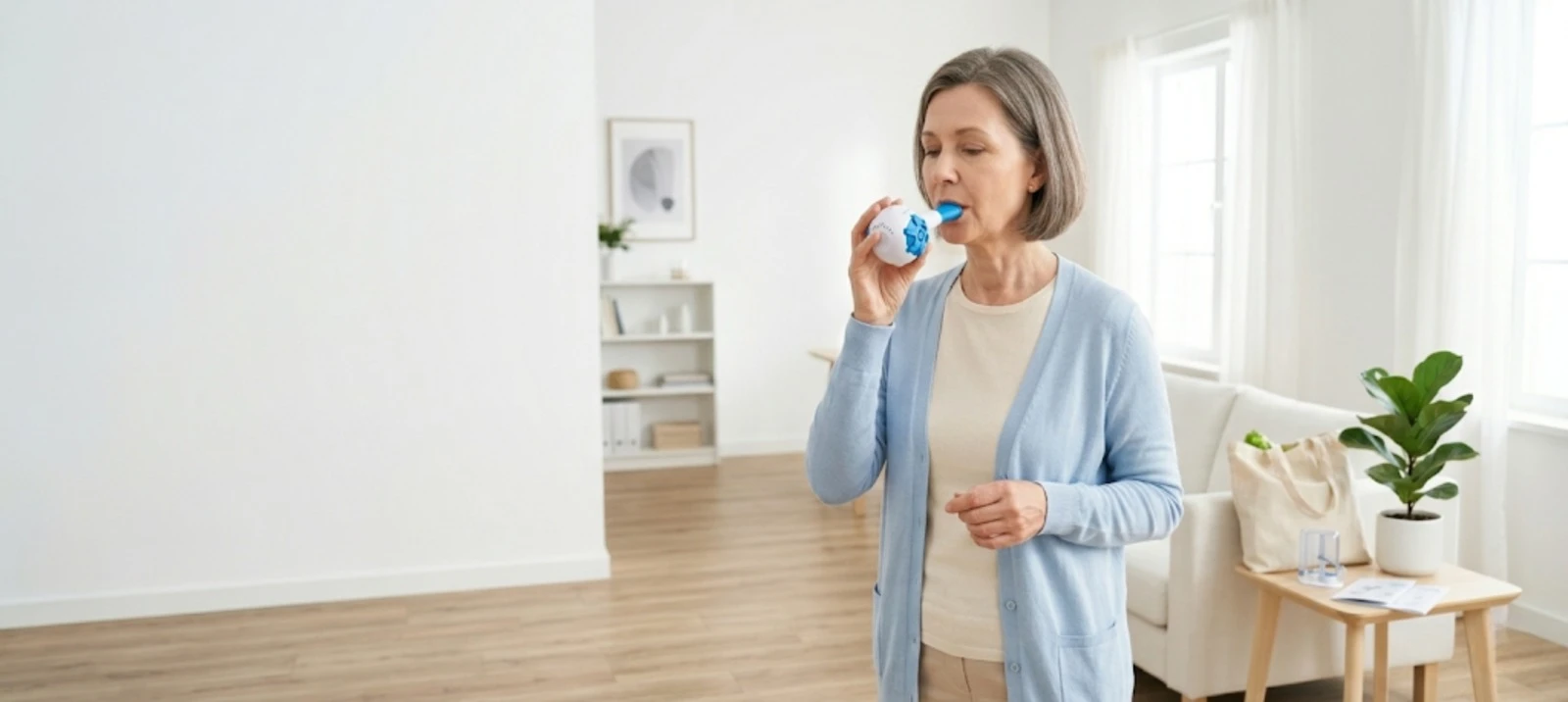
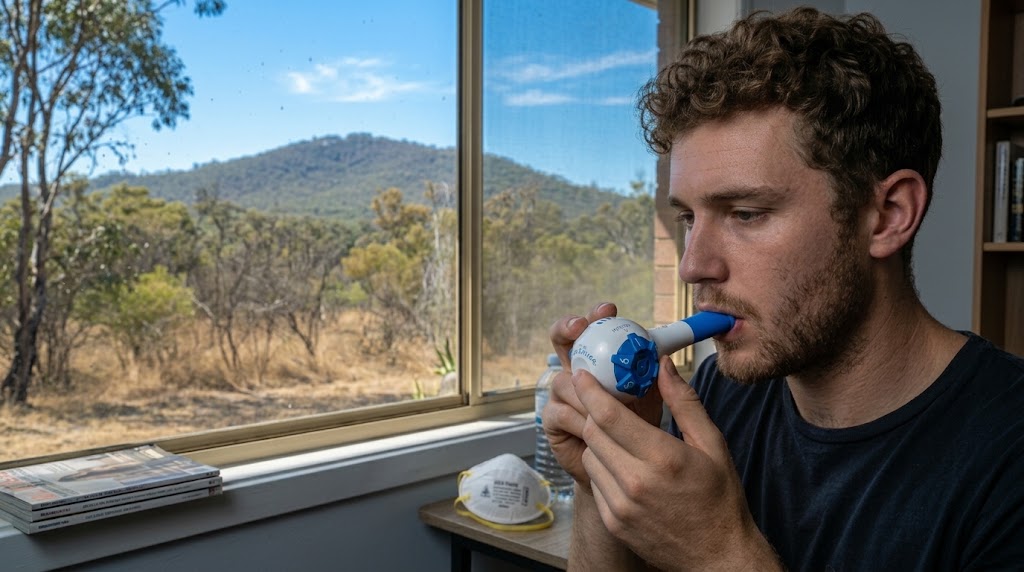
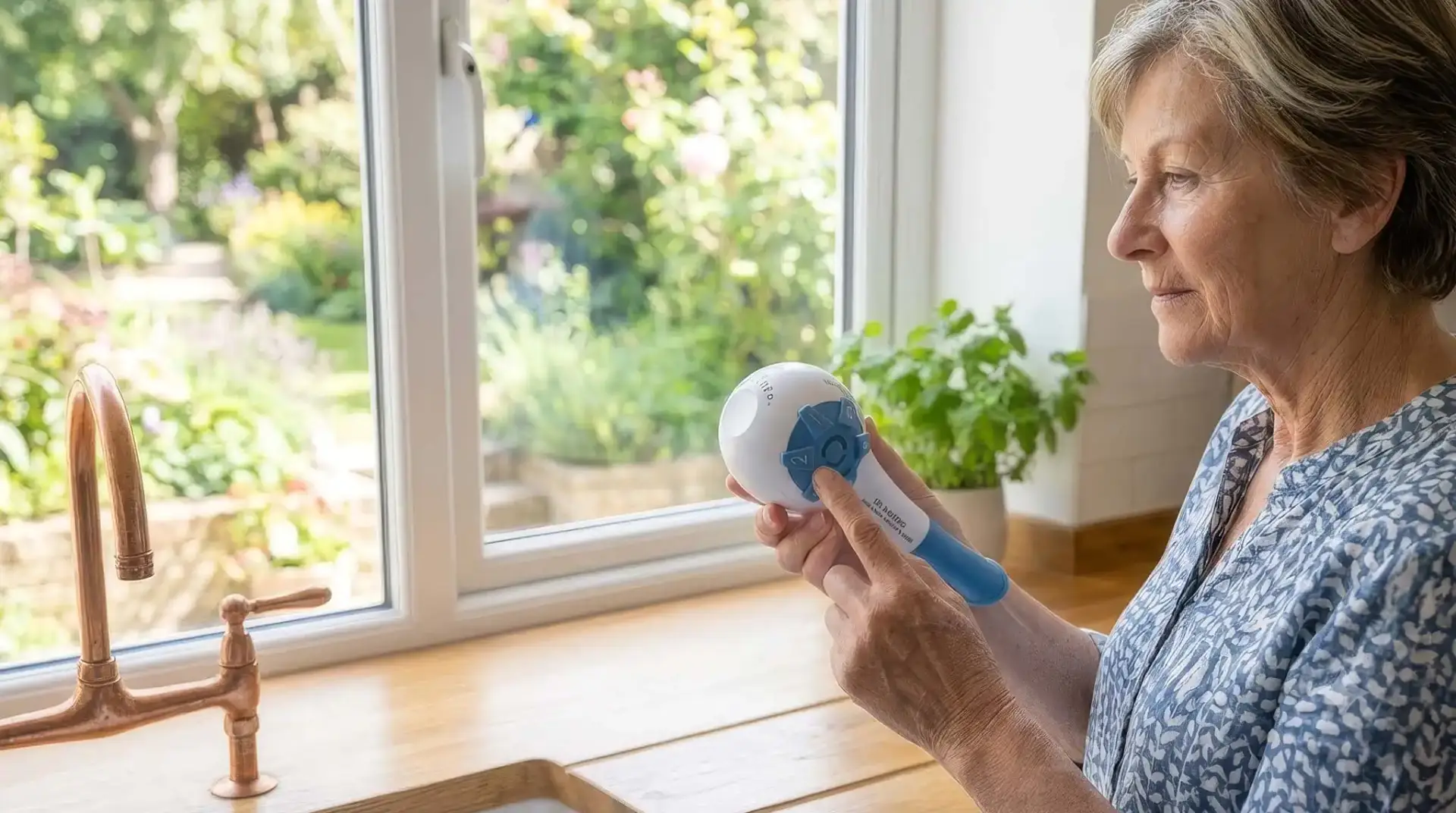
The Breather is a TGA listed breathing trainer that adds adjustable resistance to your inhale, designed to strengthen the same muscles studied in the clinical trials above. It takes about 5 minutes a day following a simple training protocol, and many users report feeling steadier and less foggy through the day with consistent use. Over 2 million people worldwide have trained their breathing muscles with The Breather.
More resistance is not automatically better. The trials that showed results used short, consistent sessions with load increased gradually over weeks, not intense one-off efforts.
The Bottom Line
Breathing training is not a fix for poor sleep, but it is not nothing either. Strengthening the muscles behind your breathing appears to improve sleep quality and daytime alertness, based on trials that measured it properly.
If you are waking up gasping, snoring heavily, or exhausted despite a full night in bed, that is worth raising with your GP rather than training your way through it alone. Obstructive sleep apnoea needs proper diagnosis, and breathing training works alongside medical advice, not instead of it.
Frequently Asked Questions
Can breathing training really improve sleep quality
Yes, for most people. Inspiratory muscle training has improved sleep quality and daytime sleepiness scores in randomised trials, and slow breathing before bed tends to help people fall asleep and feel more rested.
Will breathing training stop snoring
Not reliably. Some people notice a difference, but there is no consistent evidence it eliminates snoring or treats obstructive sleep apnoea on its own.
How do I know if poor breathing is affecting my sleep
Common signs include waking up tired despite a full night in bed, mouth breathing overnight, heavy snoring, and feeling wired but exhausted at bedtime. Ticking two or more of these is worth paying attention to.
How long before breathing training works
Relaxation breathing can feel calming within days. Strength gains from inspiratory muscle training typically build over 8 to 12 weeks of consistent practice.
Is a breathing trainer better than breathing exercises
They do different jobs. Relaxation breathing calms your nervous system. A resistance trainer builds strength in the muscles behind your breathing. Most people get more out of combining both.
This article is general information only, not medical advice. The Breather and Breather Fit support breathing fitness alongside proper medical care, they don't replace it. If you have ongoing symptoms, see your GP.