
Blog
Quick Answer
Respiratory muscle training vs breathing exercises comes down to two different jobs. Breathing exercises train awareness and calm, techniques you can start immediately with no equipment, while respiratory muscle training uses resistance to build actual strength in the muscles behind each breath. For ongoing breathlessness, reduced endurance, or slow recovery, resistance-based training tends to offer more measurable, lasting improvement than breathing exercises alone.
Most people do not start by comparing methods. They start with a feeling. Breathing feels shallower than it used to. Recovery after activity takes longer than expected. Someone mentioned doing breathing exercises without ever explaining what that is actually supposed to fix.
That is usually where the confusion sets in, and as more Australians pay closer attention to respiratory health, the question comes up more often. What is the actual difference between breathing exercises and structured respiratory muscle training, and does one genuinely work better than the other?
Two Different Jobs, Not Two Versions Of The Same Thing
Breathing exercises are usually the first thing people try. Slow breathing, deep breathing, controlled exhalation. Simple, accessible, no equipment needed, and commonly recommended for relaxation, stress, or general lung awareness.
Respiratory muscle training takes a more specific approach. It treats breathing as a physical function that can be strengthened over time, rather than just something you consciously slow down or notice more. That distinction is small on paper but matters a lot in practice.
Why Breathing Exercises Can Plateau
Breathing exercises can make an immediate difference. Slowing the breath calms the body, and focusing on inhalation and exhalation builds awareness. For stress or mild breathlessness, that can genuinely feel like a solution.
Over time though, some people notice the benefit levels out. The reason is straightforward. Breathing exercises improve control and awareness, but they do not meaningfully increase muscle strength. If weak breathing muscles are the underlying issue, awareness alone can only take you so far.
Where Respiratory Muscle Training Works Differently
Respiratory muscle training adds resistance rather than guiding the breath. That resistance forces the muscles involved in breathing to work harder, gradually building strength, in much the same way resistance training works for any other muscle group. Without resistance, muscles maintain function. With it, they adapt and improve.
14
cmH2O average increase in maximal inspiratory pressure found in a meta-analysis of resistance-based respiratory muscle training.
For people dealing with reduced endurance, slow recovery, or ongoing breathlessness, that difference tends to become noticeable within a few weeks, not on the first day.
A Practical Comparison
| Aspect | Breathing Exercises | Respiratory Muscle Training |
|---|---|---|
| Approach | Focus on control and awareness | Focus on strength and resistance |
| Equipment | Not required | Requires a breathing trainer |
| Learning curve | Easy to start | Slight adjustment at the beginning |
| Immediate effect | Often calming and noticeable | More gradual, builds over time |
| Long-term improvement | Can plateau | Progressive improvement possible |
| Muscle strengthening | Limited | Direct and measurable |
| Best suited for | Relaxation, stress, mild breathing issues | Endurance, recovery, respiratory weakness |
Signs Respiratory Muscle Training May Be Worth Adding
Breathing exercises tend to work well for relaxation and stress. Training becomes more relevant when a few of these sound familiar.
Ticked two or more? Training may be worth adding alongside what you already do.
Where A Breathing Trainer Fits In
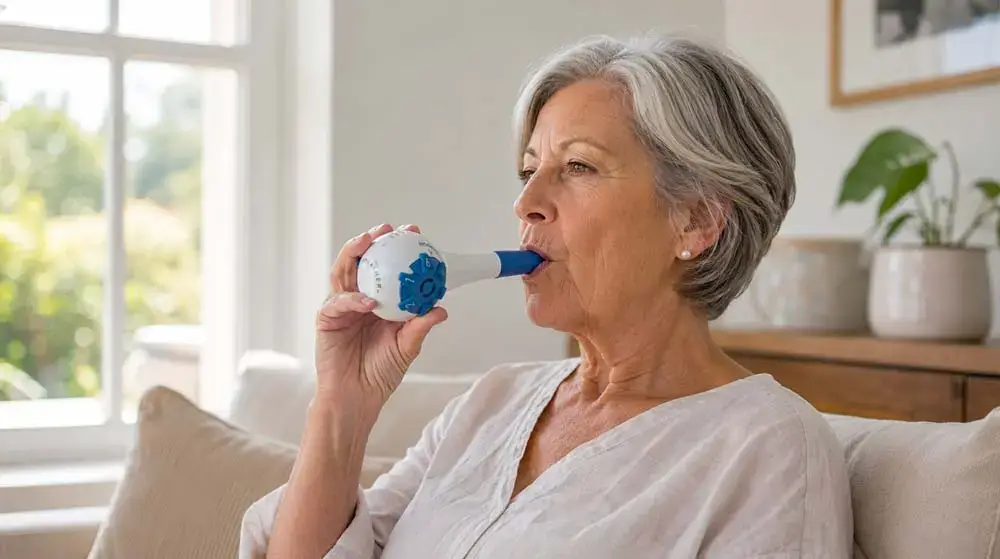
For people moving from awareness into structured training, The Breather introduces controlled resistance into the process, designed to train both inhalation and exhalation muscles so strength can build gradually. Resistance can be adjusted over a simple training protocol, which matters because without progression, most forms of training tend to stall. Over 2 million people worldwide have used The Breather to work on respiratory muscle training, and many users report noticeably steadier breathing with consistent use.
None of this makes breathing exercises redundant. If your breathing muscles are already weak, training and awareness work well together rather than as a straight substitute for one another.
"Breathing exercises help you understand your breathing. Respiratory muscle training helps you strengthen it."
The Bottom Line
It is not really a question of which is better in isolation. For many people, both have a place, but if the goal is long-term improvement in breathing strength and endurance, training tends to offer something exercises alone cannot.
If you are dealing with ongoing breathlessness rather than the everyday kind that comes with exercise, that is worth raising with your GP before starting any new training approach. Breathing training works alongside medical advice, not instead of it.
Frequently Asked Questions
What is the difference between breathing exercises and respiratory muscle training
Breathing exercises train awareness and calm, without building physical strength. Respiratory muscle training uses resistance to strengthen the muscles behind each breath, with effects that build progressively over weeks.
How do I know if I need respiratory muscle training rather than breathing exercises
If breathing exercises alone have plateaued, or you are dealing with dropped endurance, slow recovery, or ongoing breathlessness, resistance-based training is likely to offer more than awareness alone.
Can I do both breathing exercises and respiratory muscle training
Yes. Most people get the most benefit from combining both, awareness-based breathing for relaxation and resistance training for building strength over time.
How long before respiratory muscle training makes a difference
Most people notice a difference within a few weeks of consistent use, with strength gains building progressively as resistance is adjusted upward over time.
Do I need a device for respiratory muscle training
Yes, meaningful resistance-based training requires a device such as a breathing trainer. Without added resistance, breathing muscles maintain function rather than building genuine strength.
This article is general information only, not medical advice. The Breather and Breather Fit support breathing fitness alongside proper medical care, they don't replace it. If you have ongoing symptoms, see your GP.